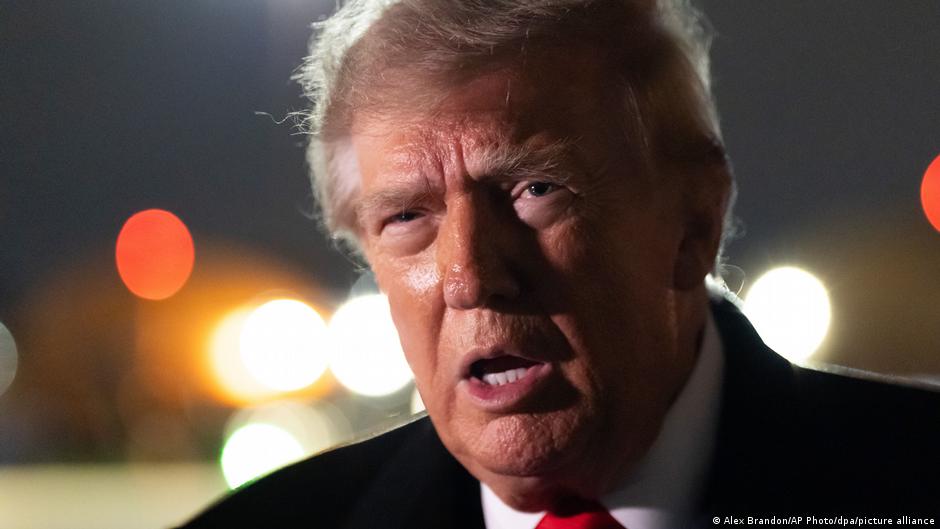
US-Iran Conflict Enters Tenth Day: Implications for Global Capital Markets
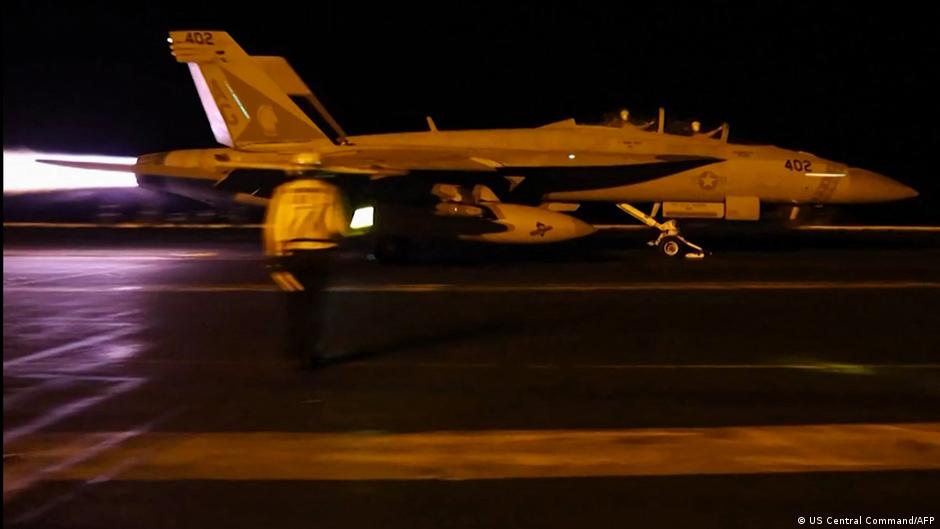
US military strikes against Iran enter tenth day, heightening risks for energy markets and global investors amid escalating Middle East tensions.

US military strikes against Iran enter tenth day, heightening risks for energy markets and global investors amid escalating Middle East tensions.

US military deaths in the Iran conflict have increased to 17, prompting heightened market volatility and impacting energy, defense equities, and bond markets amid rising geopolitical risks.

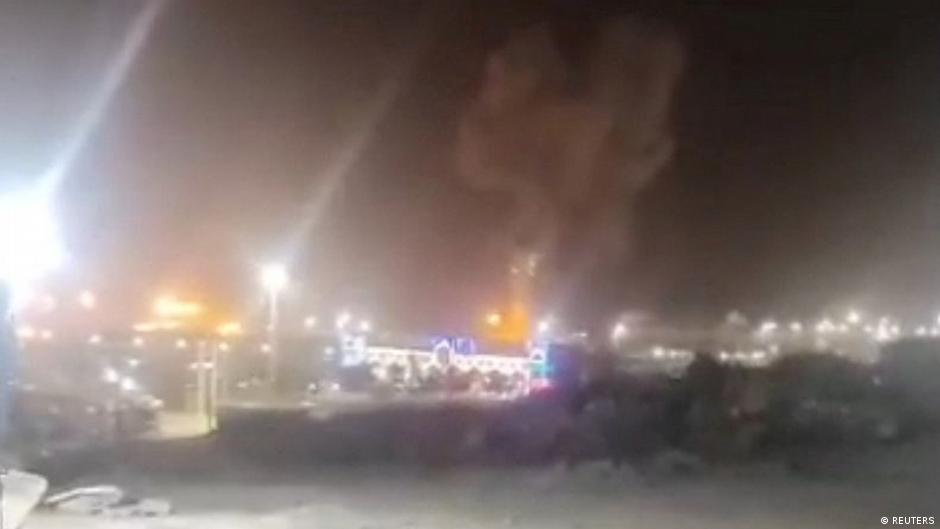
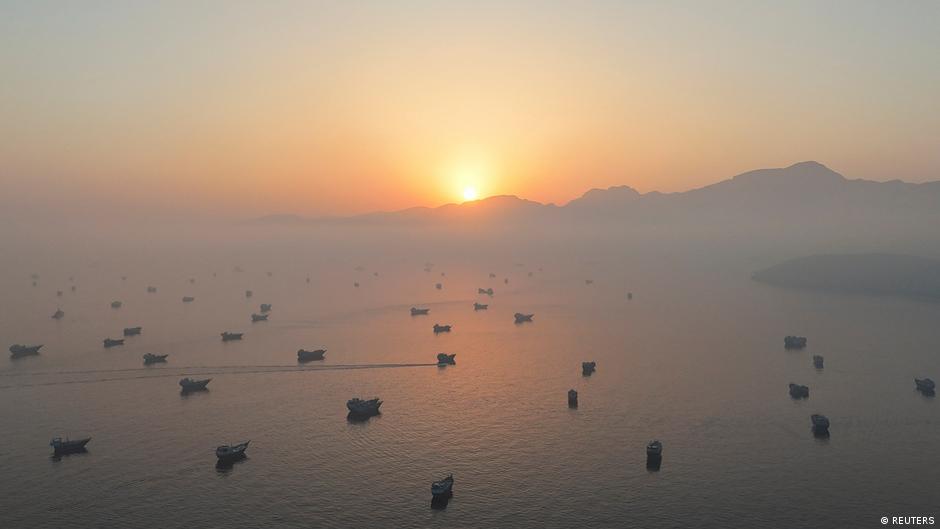
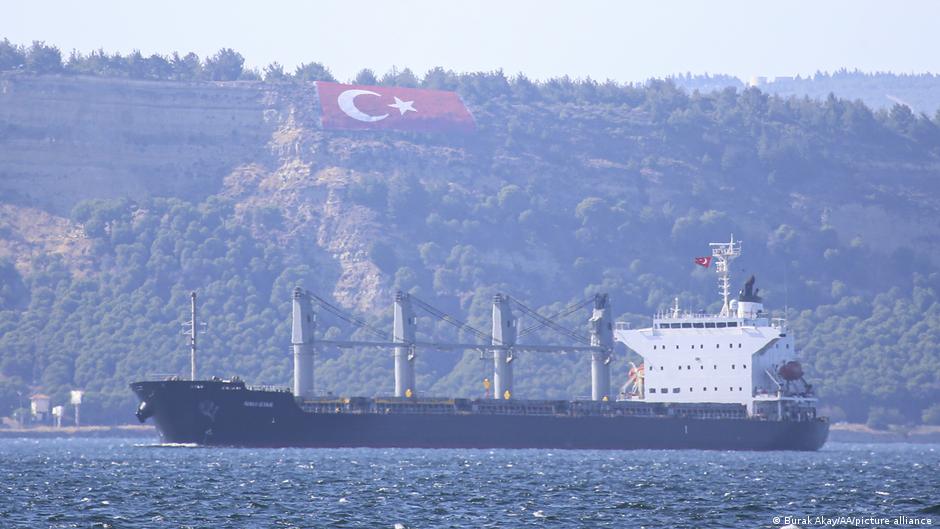
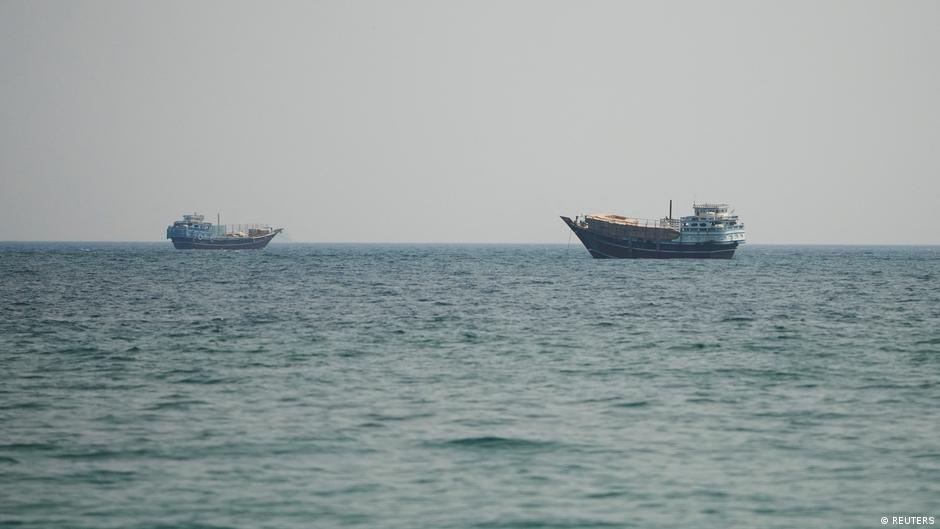
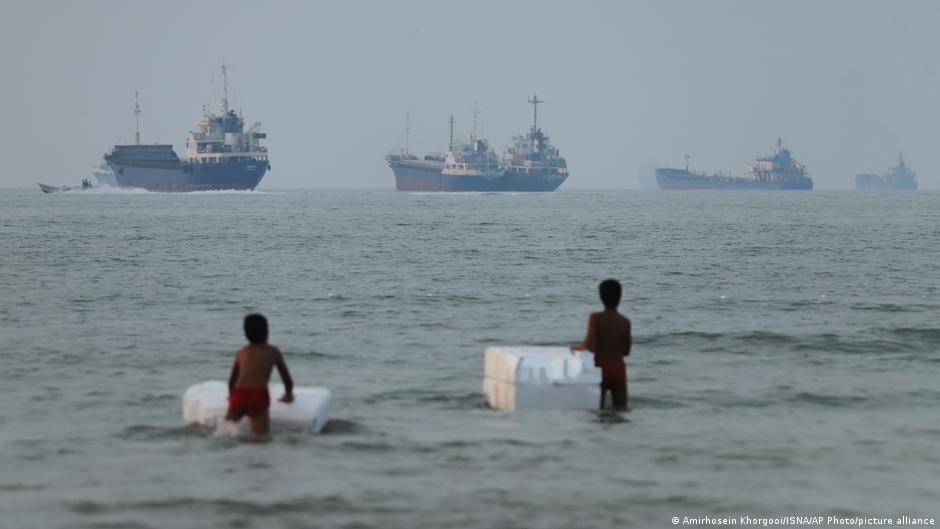
US and Iran military clashes near the Strait of Hormuz are disrupting oil shipping and increasing market uncertainty, affecting energy prices and investor risk sentiment worldwide.

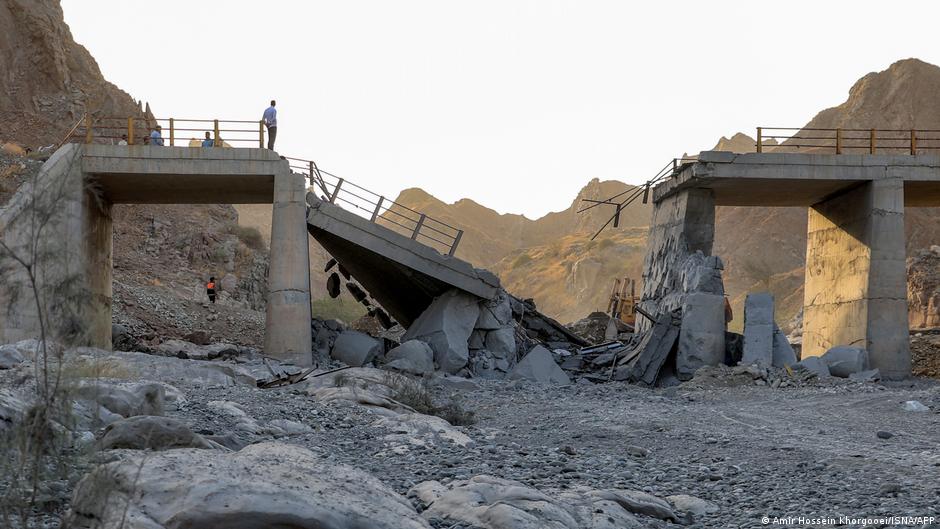
US strikes on Iranian infrastructure escalate geopolitical risks, causing volatility in regional equities and bonds, with implications for global investors.

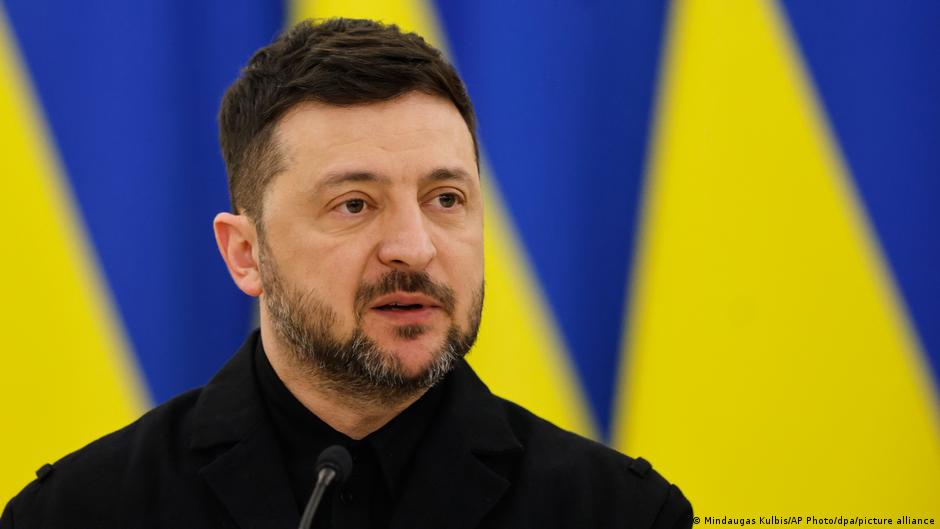
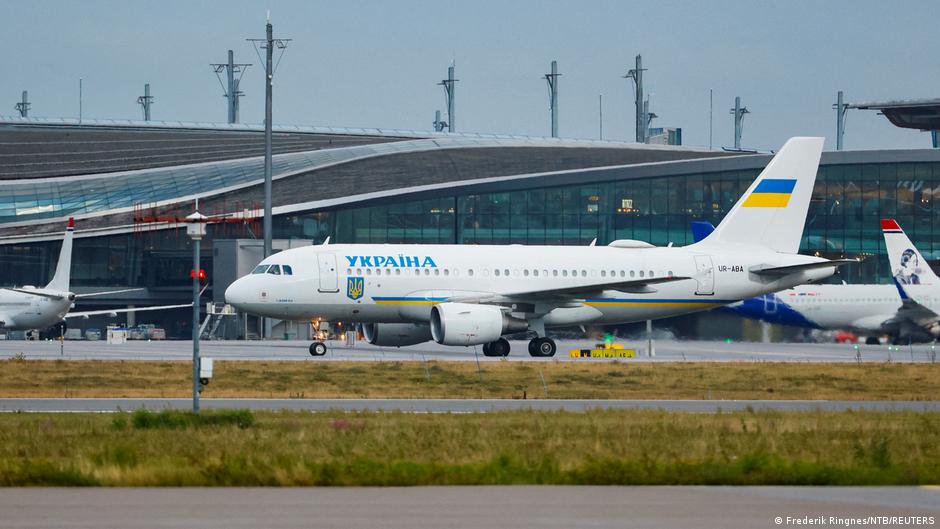
Ukraine’s parliament is set to approve Sergei Koretsky as prime minister, marking a government reshuffle with potential impacts on energy policy and market stability.

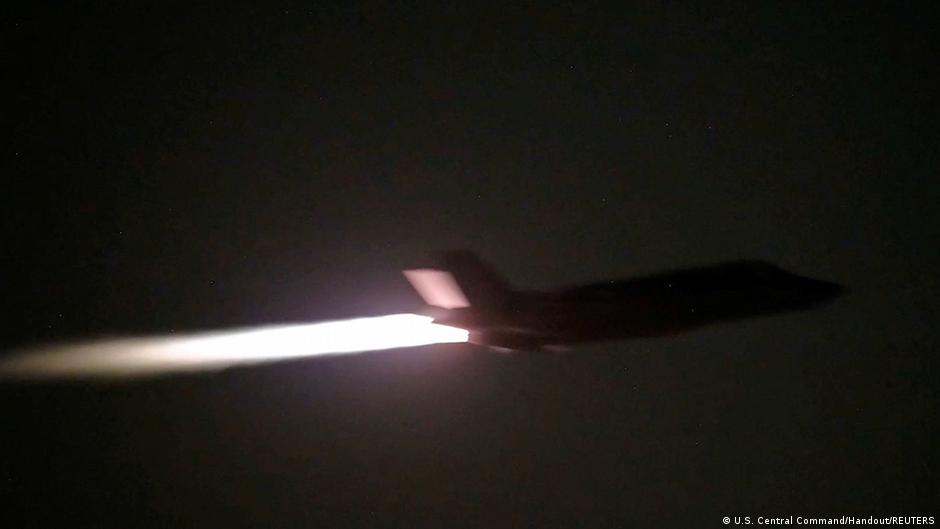
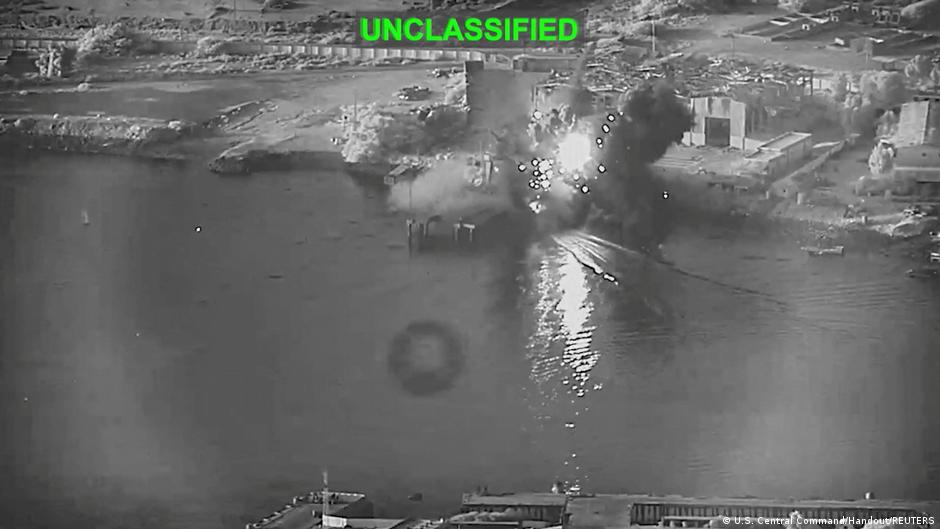
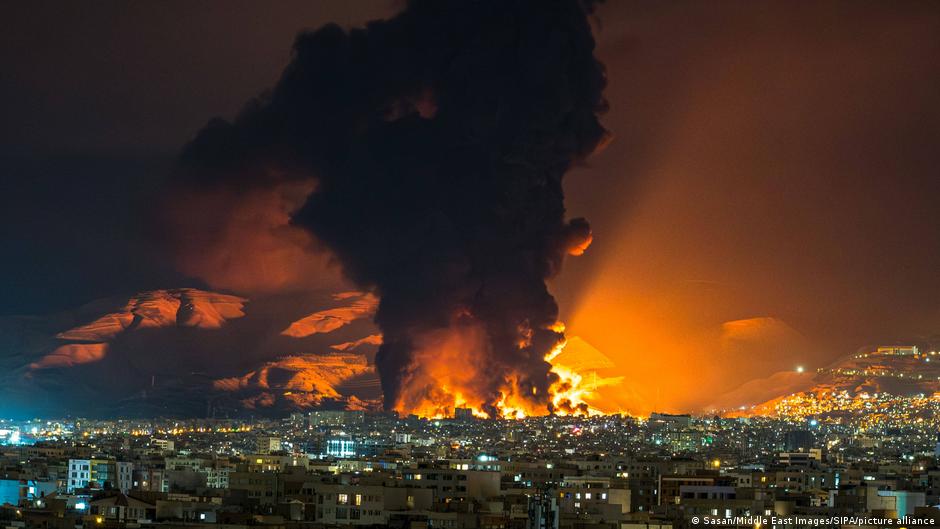
US airstrikes on Iranian targets and Tehran’s retaliatory attacks escalate Middle East tensions, driving volatility in oil markets, equities, and bonds.

The US is advancing plans to revive an Iraq-Syria oil pipeline to bypass the Strait of Hormuz, aiming to reduce Iran’s influence and alter energy market dynamics.

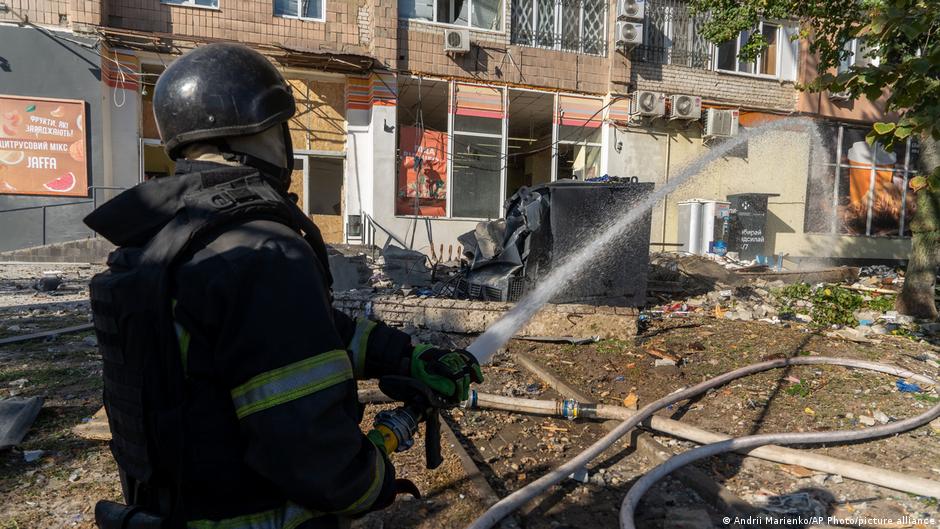
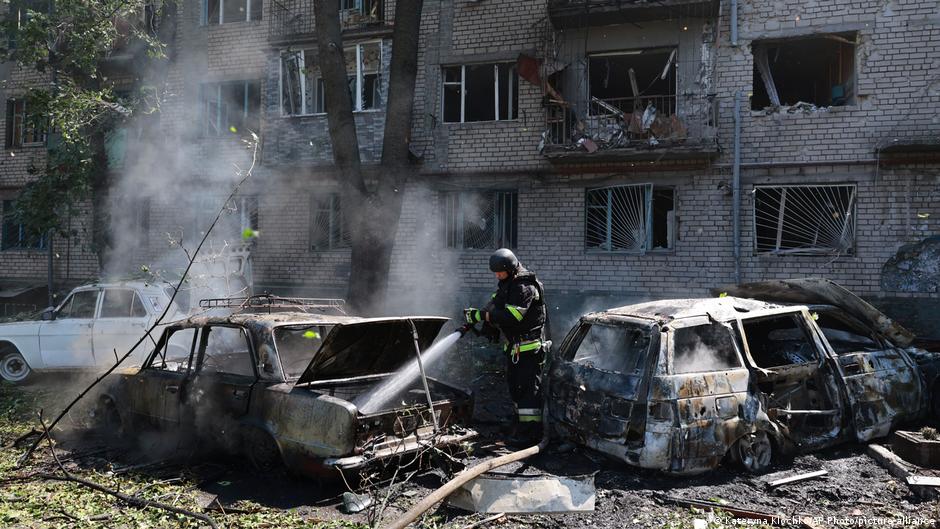
Russian combined air and drone strikes on Izium have caused civilian damage and raised geopolitical risks, prompting increased market volatility and investor caution in Eastern Europe.

US strikes on Iran near the Strait of Hormuz escalate tensions, impacting oil shipping routes and increasing risks for energy markets and investors globally.

US military strikes against Iran following attacks on commercial vessels have led to the closure of the Strait of Hormuz, impacting global oil supply and increasing market volatility.

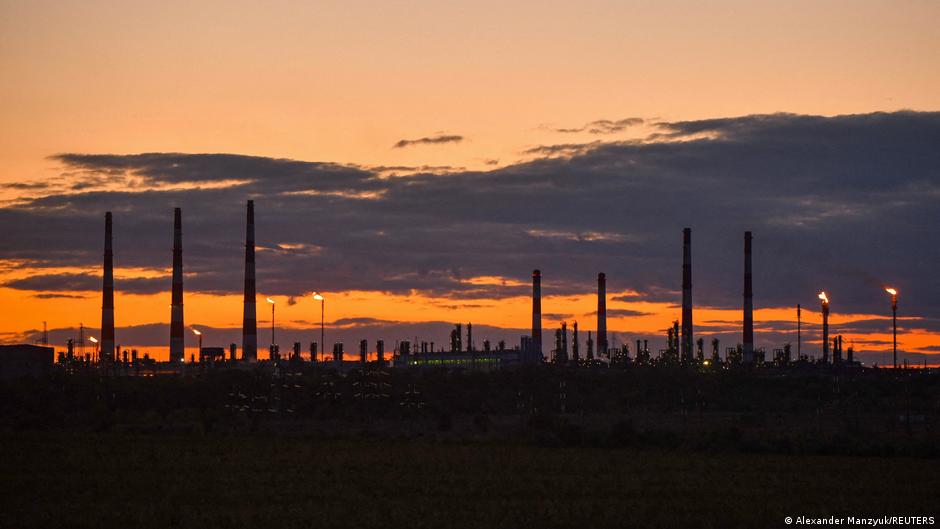
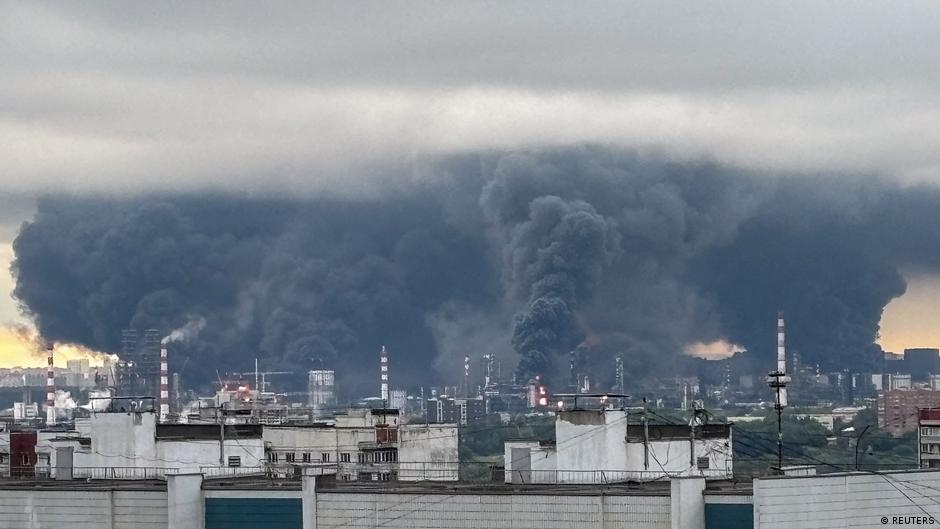
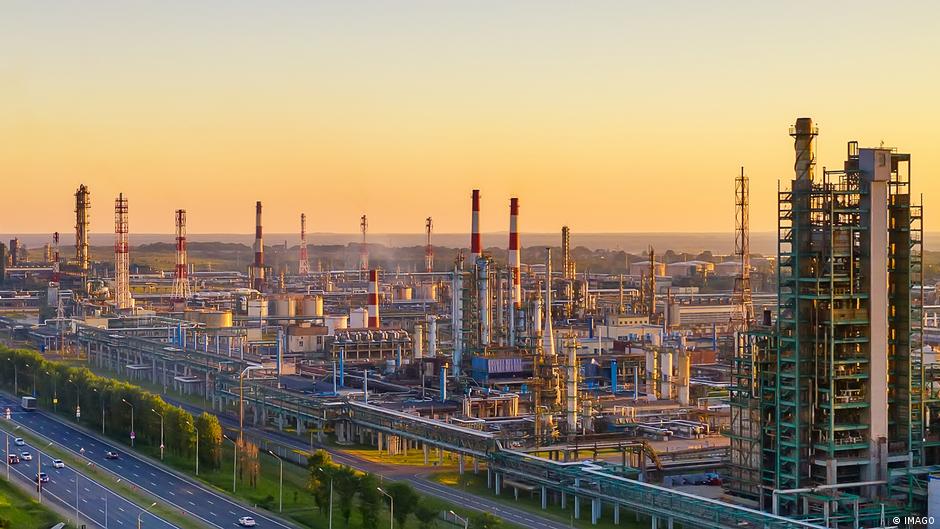
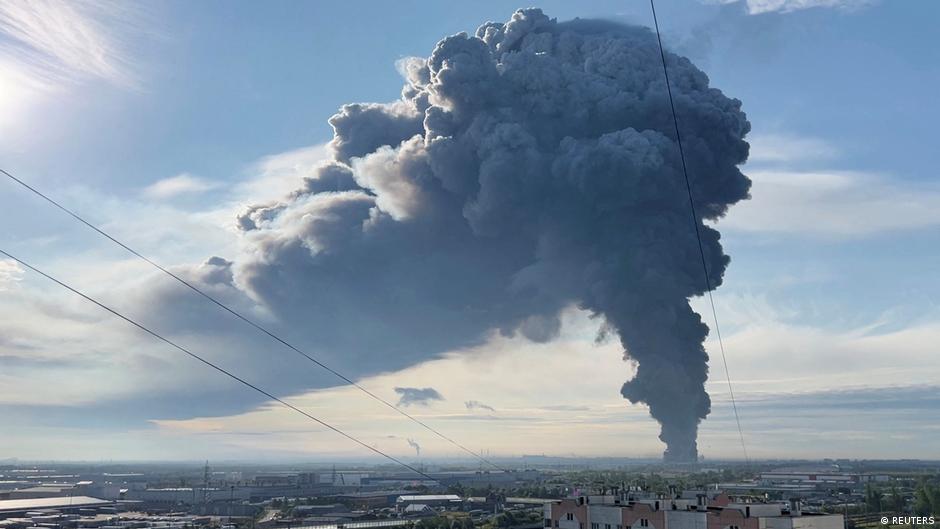
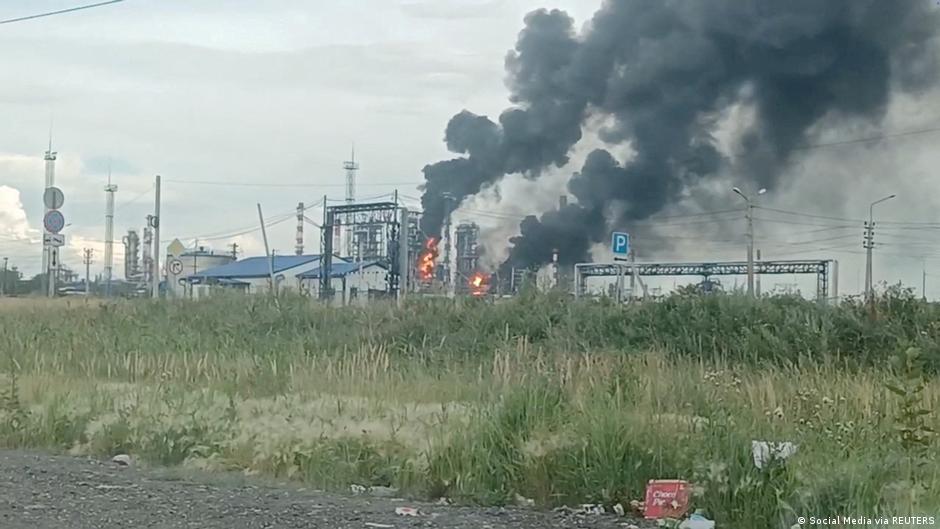
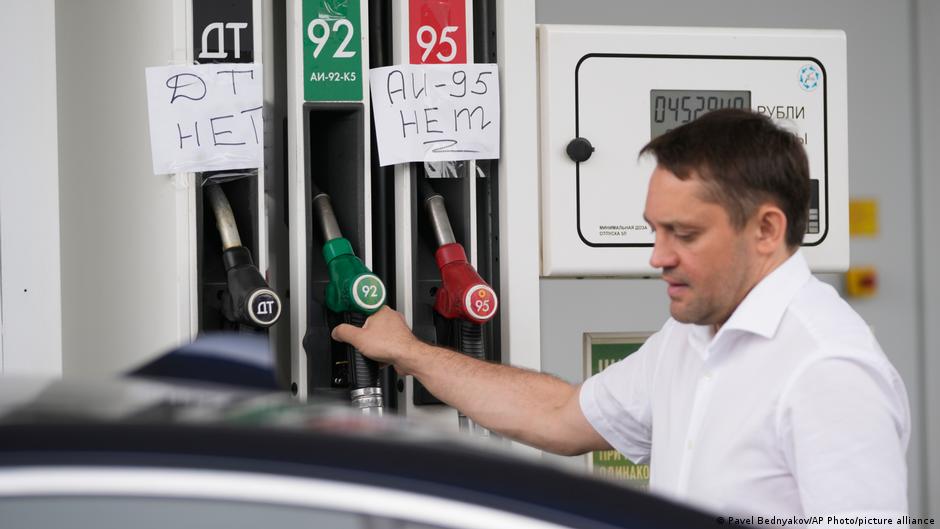
Ukrainian drone strikes have forced the Saratov refinery to halt operations, cutting refining capacity and exacerbating fuel shortages in Russia's energy market.

US military strikes on Iran escalate tensions, impacting oil supply routes and causing volatility in energy markets and investor sentiment.

US military strikes on Iran after attacks on tankers escalate Middle East tensions, triggering volatility in energy markets and impacting investor risk sentiment globally.

Russia permits Euro-3 fuel circulation until 2026 to mitigate refinery disruptions, impacting energy markets with lower fuel quality and constrained supply.

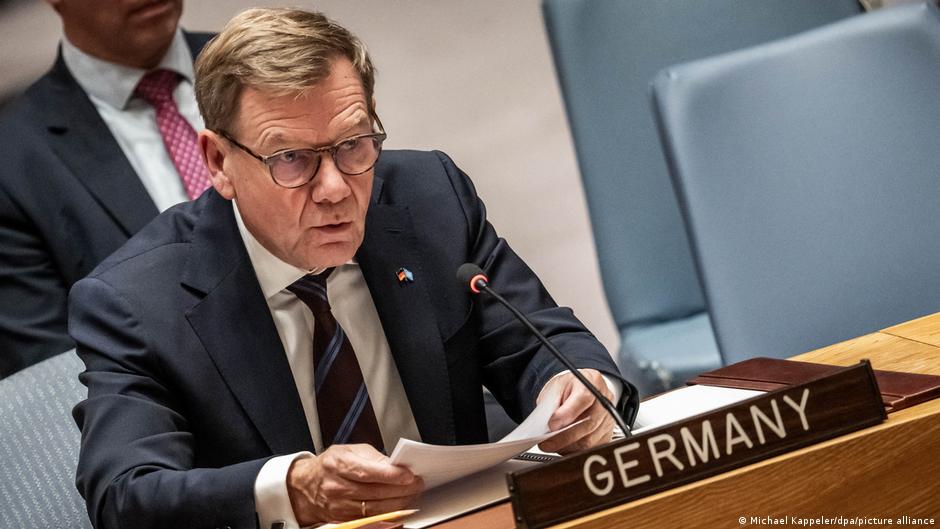
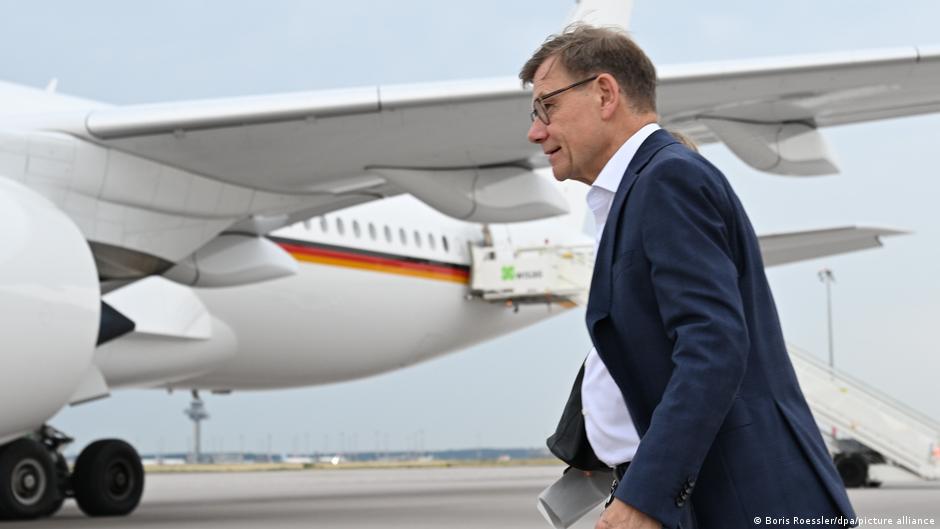
German and U.S. foreign ministers meet amid global economic challenges, reinforcing transatlantic ties and signaling potential shifts in NATO funding and geopolitical risk management.

The US and Iran agree on a temporary ceasefire until June 30 talks on Strait of Hormuz navigation, easing oil price volatility and reducing geopolitical risks for investors.

US military strikes on Iranian sites after drone attacks on oil tankers near Strait of Hormuz raise geopolitical risks, impacting energy markets and investor sentiment.

Germany's grant of asylum to Russian activist Ilya Shkolny reflects growing geopolitical risks from Russia's war, impacting European market sentiment and investor risk assessment.

Italy and France express concerns over the EU's proposed entry ban on Russian combatants, fearing it could affect all Russian travelers and impact capital markets and investor confidence.

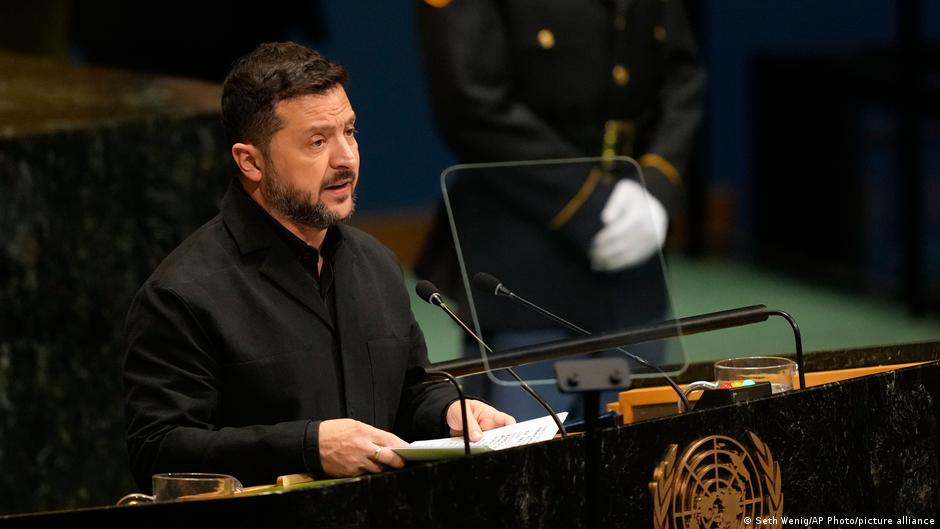
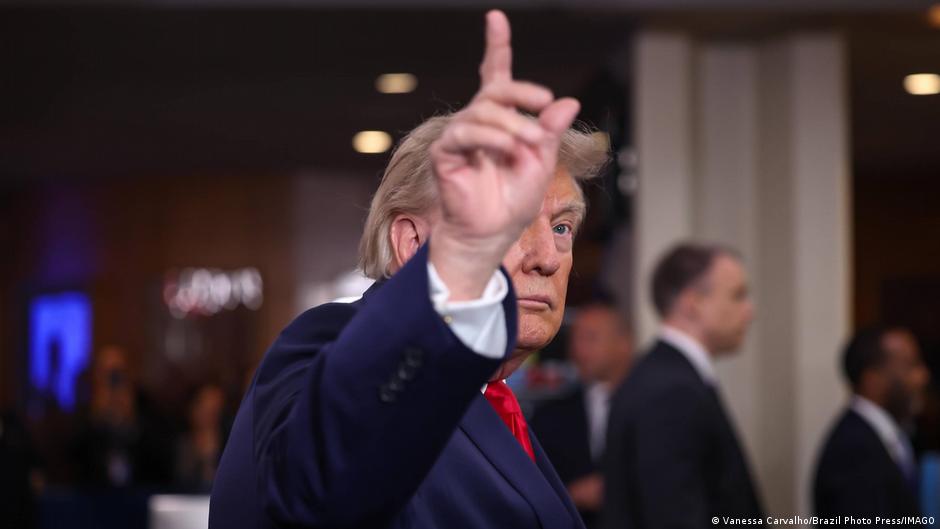
Former President Trump praises Zelensky's leadership amid the Ukraine conflict, influencing market sentiment as investors weigh geopolitical risks and sanctions impacts.

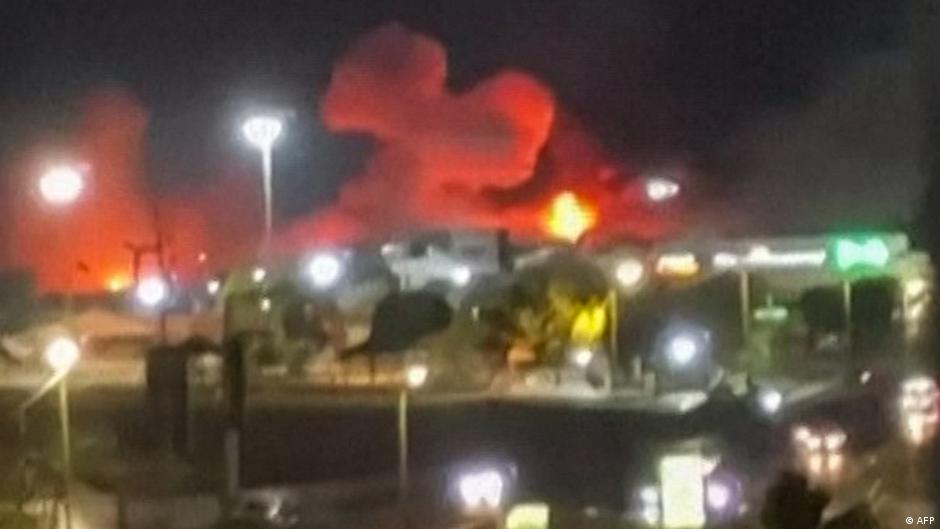
Drone attacks on a Russian oil depot and Crimean power plants trigger fires and outages, raising concerns for regional energy supply and investor risk in energy markets.

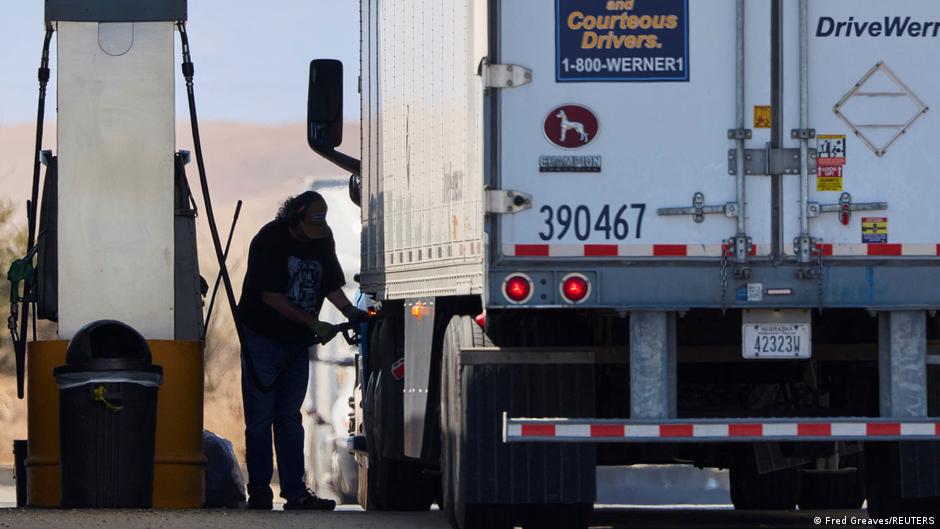
Russian authorities impose fuel sales limits in over 50 regions amid production cuts from drone attacks, affecting oil market dynamics and investor confidence.

US and Iran agree on a communication channel for the Strait of Hormuz, easing geopolitical risks and potentially stabilizing energy markets and investor sentiment.

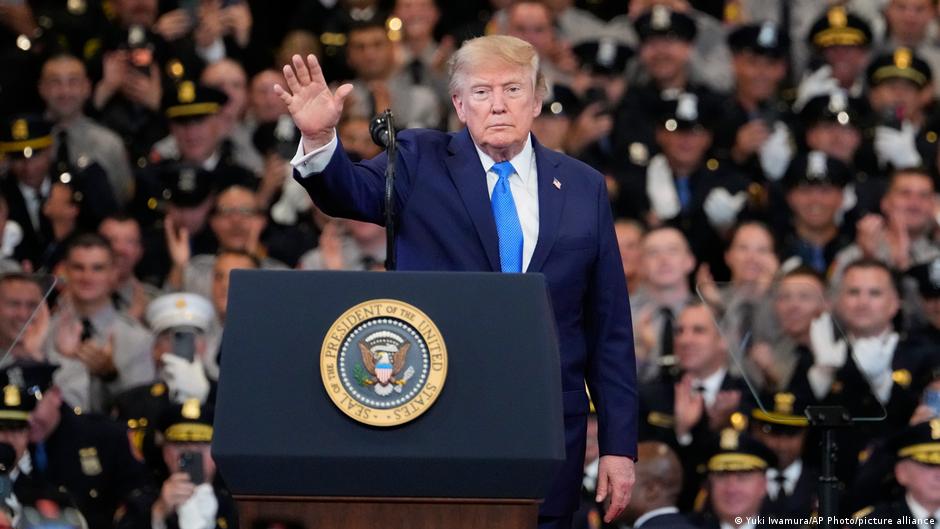
President Trump threatens a transit fee for ships passing the Strait of Hormuz if the US-Iran deal fails, raising oil market and investor uncertainty amid regional tensions.

Germany urges that future EU-Turkey gas agreements exclude Russian supplies, signaling shifts in energy markets and investor strategies amid Europe's transition away from Russian energy.

US intelligence warns Israel may disrupt US-Iran deal, raising geopolitical risks that heighten market volatility and affect investor strategies in equities and bonds.

The EU has extended sanctions on Russia for one year, impacting equities, bonds, and energy markets as investors adjust to sustained geopolitical risks.

The US has lifted its blockade of the Strait of Hormuz, reopening vital oil transit routes and initiating negotiations with Iran, impacting global energy markets and investor confidence.

Pakistan announces immediate reopening of the Strait of Hormuz following a US-Iran peace memorandum, potentially easing geopolitical risks impacting energy markets and investors.

G7 leaders commit to new sanctions on Russian oil and gas sectors and increase military aid to Ukraine, impacting energy and defense markets worldwide.

European leaders welcome the US-Iran peace deal, emphasizing regional stability, nuclear non-proliferation, and potential easing of market risks, particularly in energy sectors.

Drone attacks in Russia’s Tula region and retaliatory strikes in Ukraine heighten regional tensions, impacting markets and investor confidence.

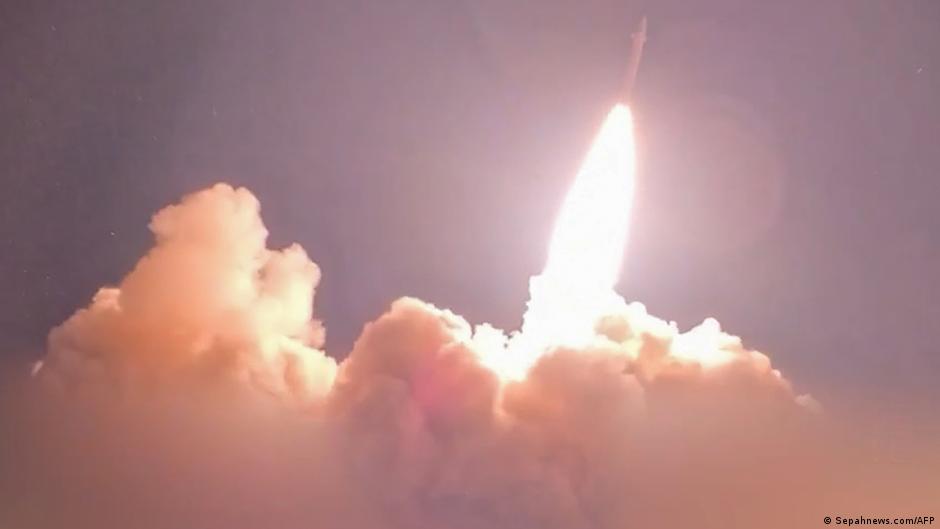
Iran has replenished about 75% of its missile arsenal, likely aided by new Russian missile deliveries, fueling geopolitical risks that affect defense equities and energy markets.

US President Trump cancels planned strikes on Iran amid diplomatic progress, easing geopolitical risks and stabilizing oil and equity markets.

Renewed US-Iran hostilities and Iran’s closure of the Strait of Hormuz have triggered market volatility and raised concerns over oil supply disruptions.

US military strikes on Iranian targets following the downing of an Apache helicopter have intensified regional tensions, impacting energy prices and investor sentiment.

US forces down Iranian drones threatening the Strait of Hormuz, escalating regional risks that impact global energy markets and investor sentiment.

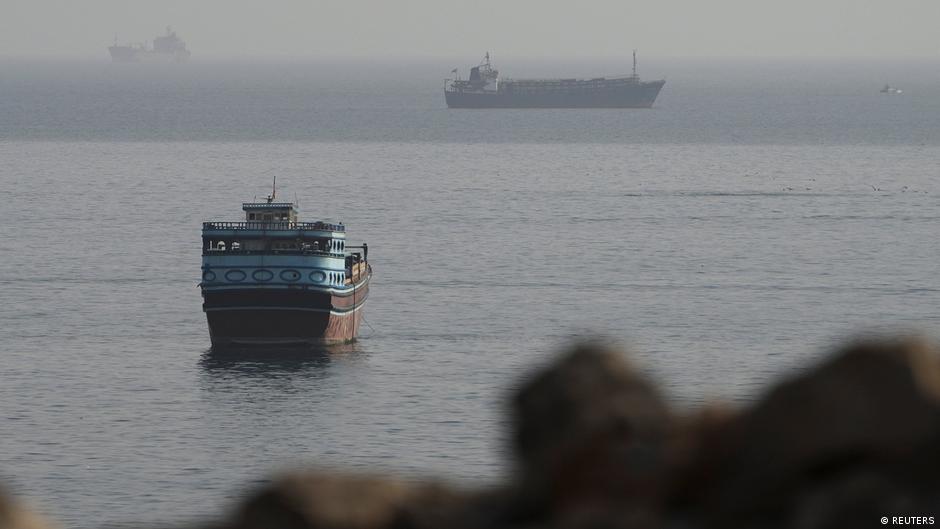
US forces disabled a Gambian-flagged vessel headed to Iran amid Strait of Hormuz blockade, raising regional tensions and impacting energy markets and investor sentiment.

Russia plans 1-2 month export limits on diesel and jet fuel amid drone attacks disrupting major refineries, impacting fuel supply and investor outlook in energy markets.

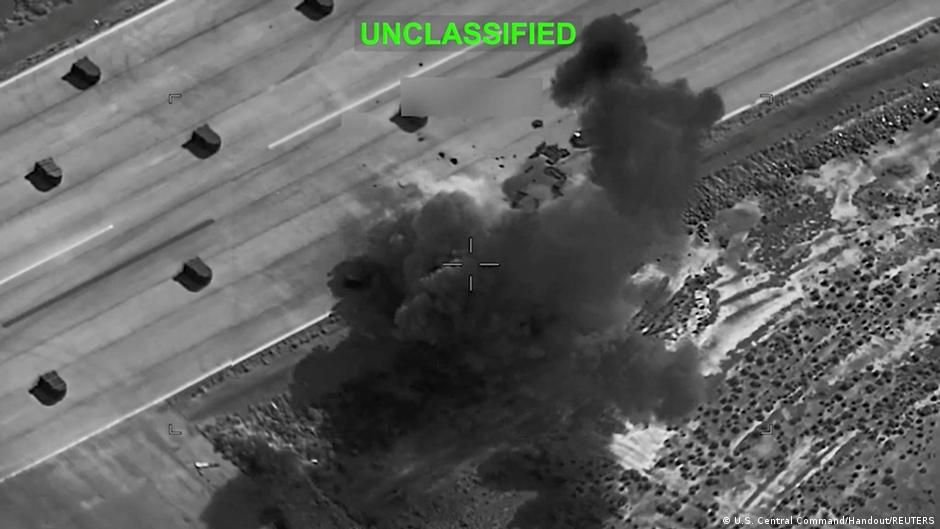
US defensive strikes on Iranian missile sites and vessels raise geopolitical risks, impacting energy and defense stocks, bond markets, and investor sentiment amid a fragile ceasefire.

European leaders and Ukraine's president convened to discuss restarting peace talks, a move that may influence capital markets by affecting regional risk and investor confidence.

The UK granted an indefinite license for importing refined fuels derived from Russian oil, easing supply constraints amid geopolitical tensions and impacting energy market dynamics.

The US has not renewed temporary sanctions relief on Russian oil shipments, potentially increasing market volatility and impacting energy equities and bonds.

China's renewed interest in U.S. oil and soybeans after talks with Trump may shift commodity markets and impact investor strategies amid evolving trade and geopolitical dynamics.

Trump and Xi Jinping meet in Beijing to discuss Iran, trade, and Taiwan, with investors closely watching for impacts on global markets and trade relations.

US intelligence reports reveal Iran retains 70% of its missile arsenal, contradicting official claims and raising concerns over defense supply chains and geopolitical risks.

Putin's preference for former German Chancellor Schroeder as EU negotiator in Ukraine conflict may influence European markets amid ongoing geopolitical tensions.

Temporary ceasefire between Russia and Ukraine leads to troop rotations amid ongoing attacks, creating uncertainty for regional markets and investors.

Iran's new shipping declaration for the Strait of Hormuz could disrupt oil transit and impact energy markets amid rising geopolitical tensions.

Global oil inventories dropped by a record 200 million barrels in April amid Middle East tensions, raising risks of higher prices and market volatility for investors.