Business
Palestinian Election Delay Extends Political Risk Over Gaza Recovery
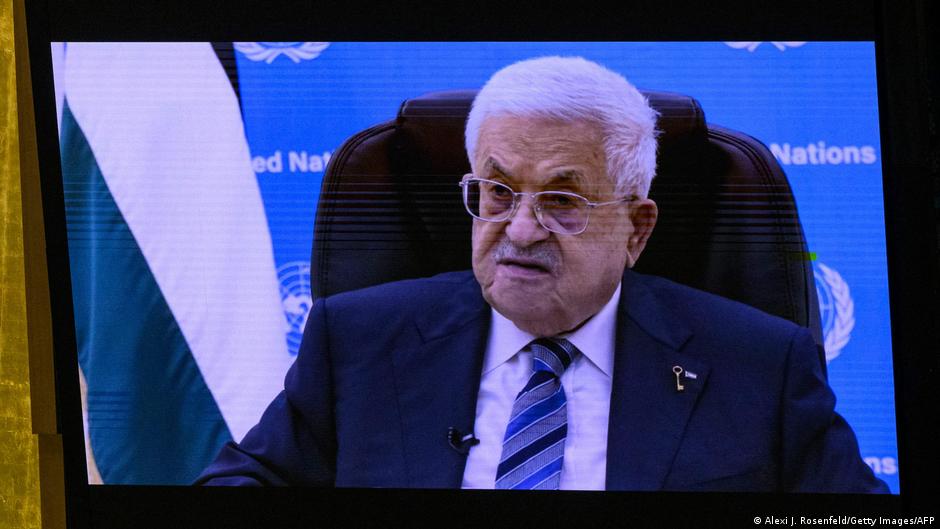
Abbas delayed Palestinian national elections to Sept. 11, 2027, prolonging governance uncertainty watched by regional investors.
Editorial Team·
·3 min
Abbas delayed Palestinian national elections to Sept. 11, 2027, prolonging governance uncertainty watched by regional investors.
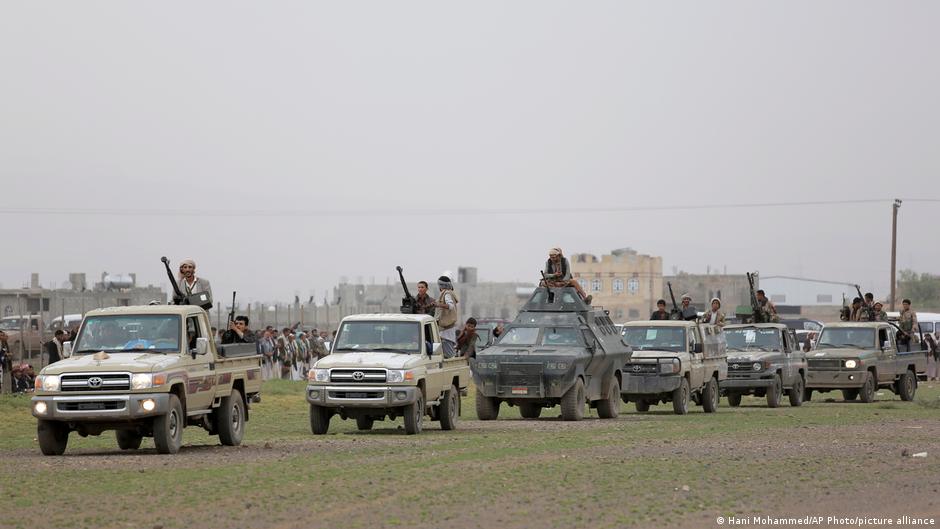
Yemen’s offensive near Mokha puts Red Sea shipping, Saudi energy infrastructure and regional risk premiums back in focus for investors.
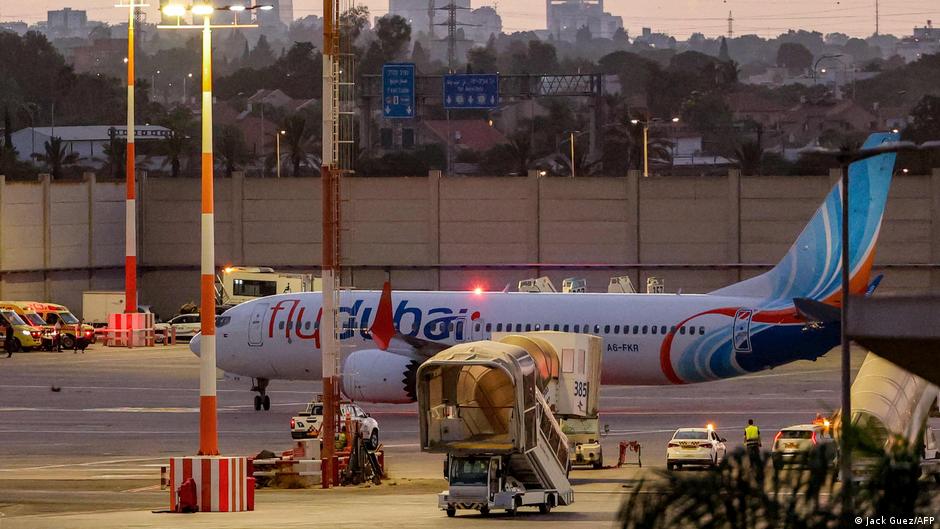
Flydubai halted Israel flights after an emergency landing in Saudi Arabia, adding security and regulatory risk for aviation investors.
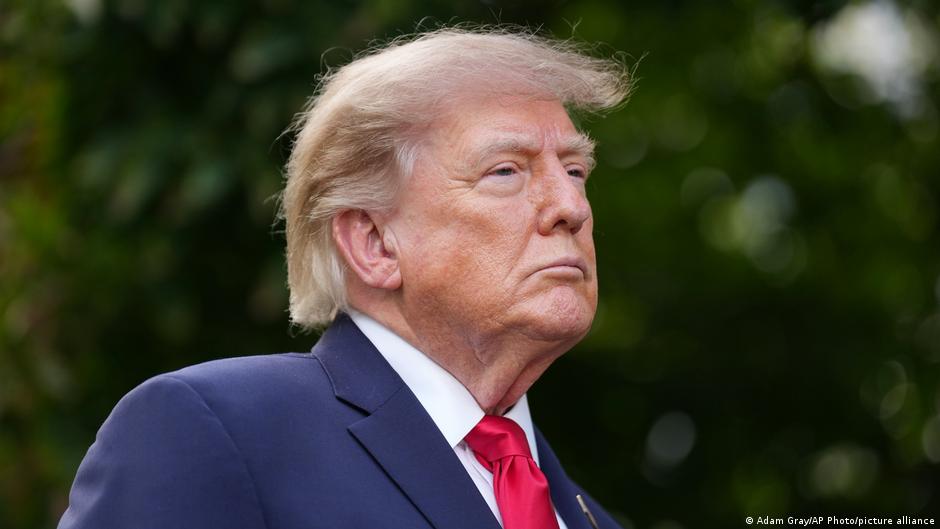
Trump expects new Iran talks, but disputes over Hormuz, sanctions and the nuclear program keep oil, equities and bonds exposed to headline risk.
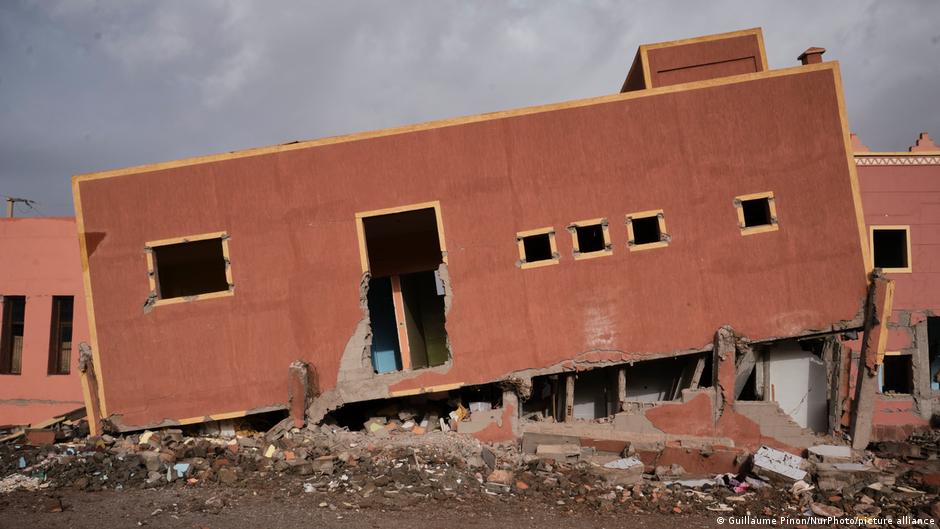
The EU will add €710 million in humanitarian aid, with investors watching how crisis spending fits into Europe’s wider fiscal outlook.
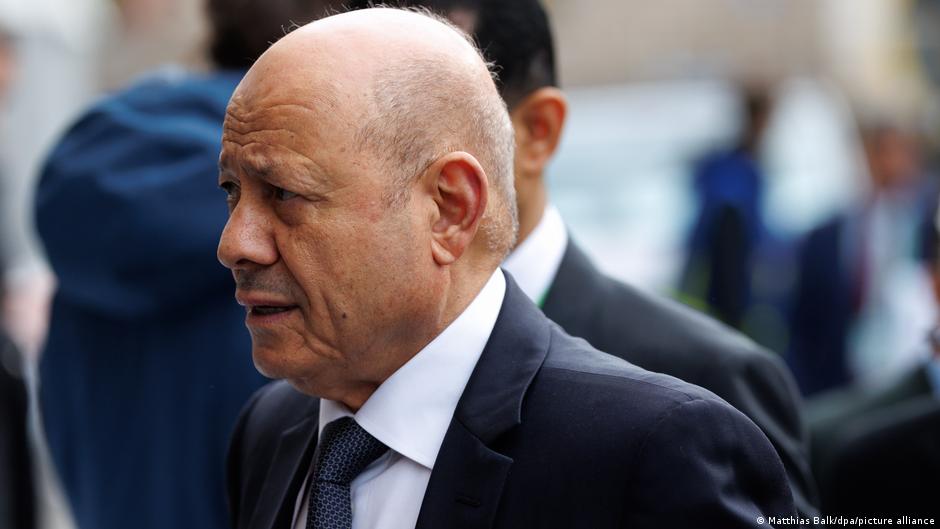
Yemen’s mobilization call adds to investor concerns over Red Sea shipping, Gulf oil exports, energy prices and regional market risk.
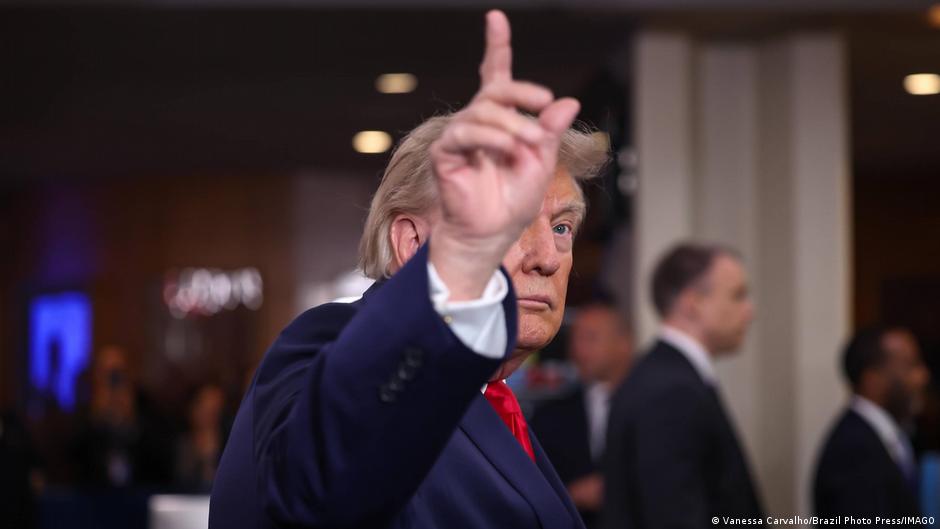
Trump said U.S.-Iran talks at the U.N. were very productive, giving markets a fresh signal on oil, shipping and geopolitical risk.
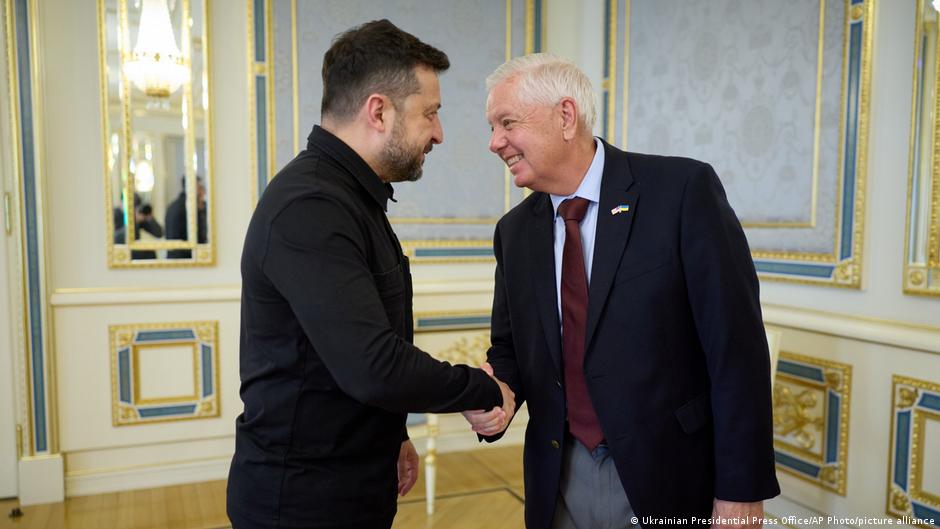
Trump signed the Graham sanctions law, giving the White House new tariff powers over Russian energy buyers and raising market uncertainty.
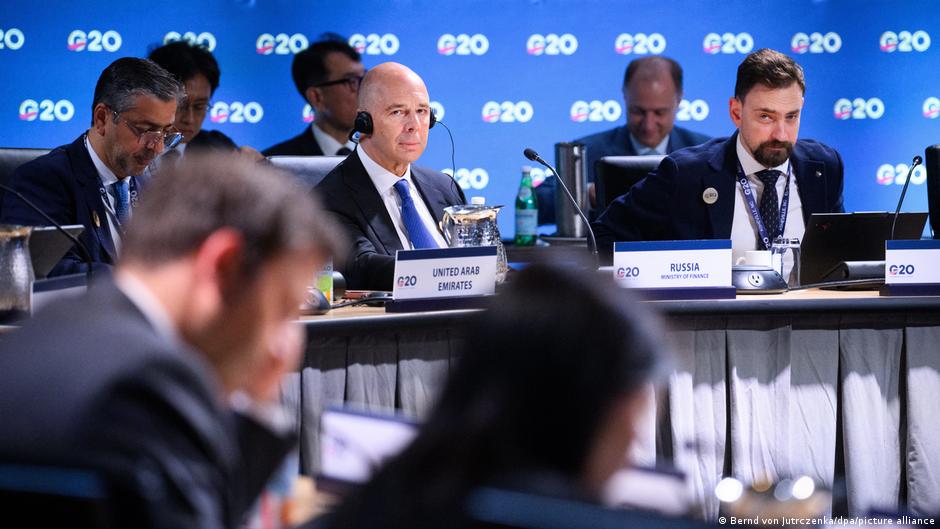
Russia is expected at next week’s G20 energy talks in Houston, putting energy security and sanctions risk back in focus for investors.

Houthi forces captured Mocha, strengthening their position near Bab el-Mandeb and raising investor concerns over oil supply and market volatility.
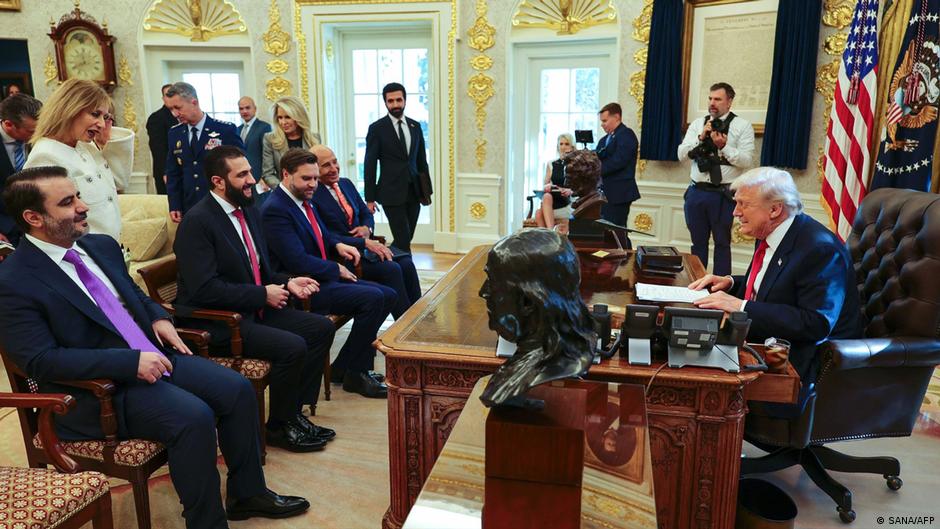
The US has removed Syria from its terrorism sponsor list, easing sanctions and opening potential investment avenues amid ongoing regional tensions and market uncertainties.
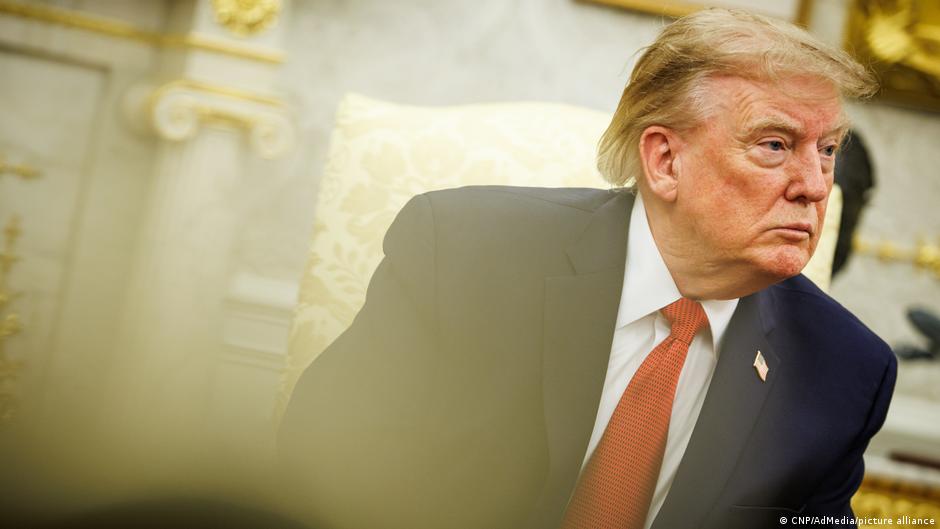
President Trump declares unprecedented economic war on Iran with sweeping sanctions, heightening risks and volatility in energy and financial markets worldwide.
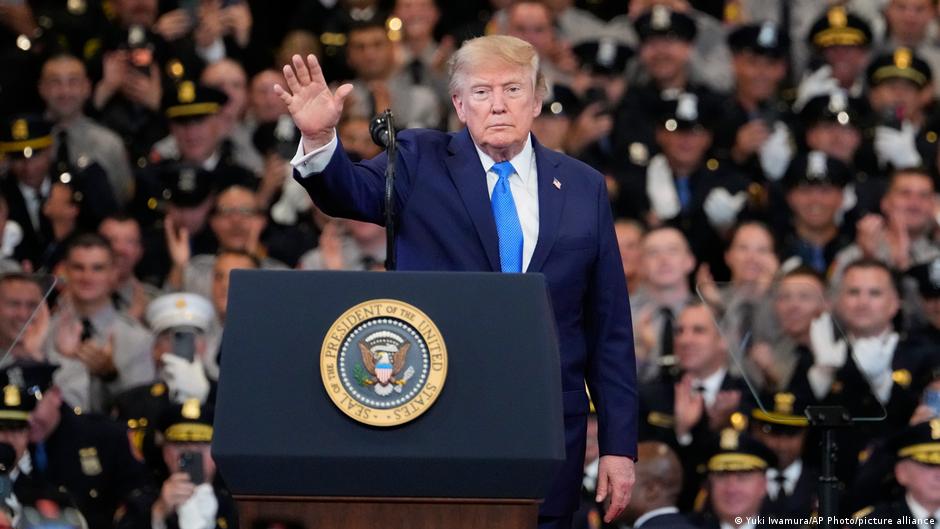
Trump threatens Oman with bombing over obstructing US-Iran talks on Strait of Hormuz, escalating geopolitical risks that impact oil markets and investor sentiment.

Jared Kushner’s talks with Hamas highlight ongoing Middle East tensions that continue to influence investor risk and market volatility in regional equities and bonds.

Qatar denies holding Iranian pilots amid Middle East conflict, a claim adding to regional tensions that continue to influence capital markets and investor confidence.
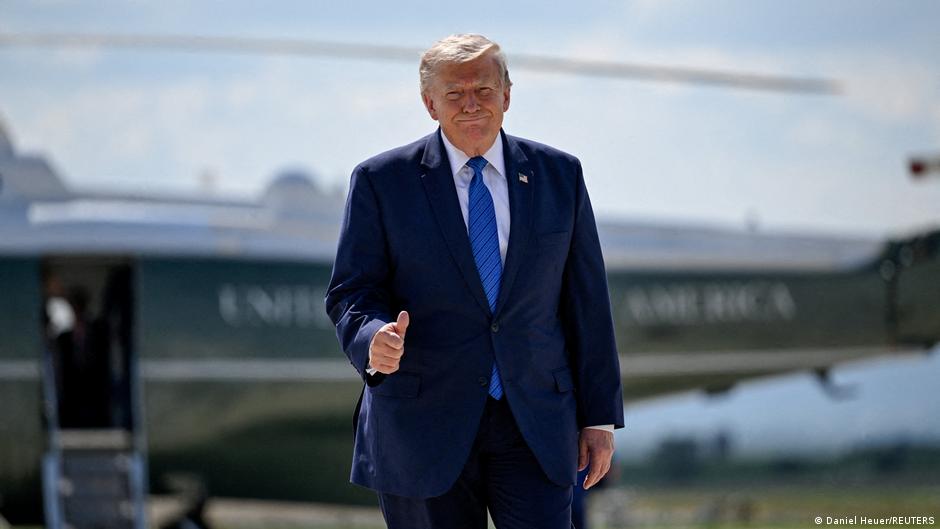
President Trump announces renewed US-Iran talks starting August 3 after delaying military strikes, impacting equity, bond, and commodity markets amid geopolitical uncertainties.
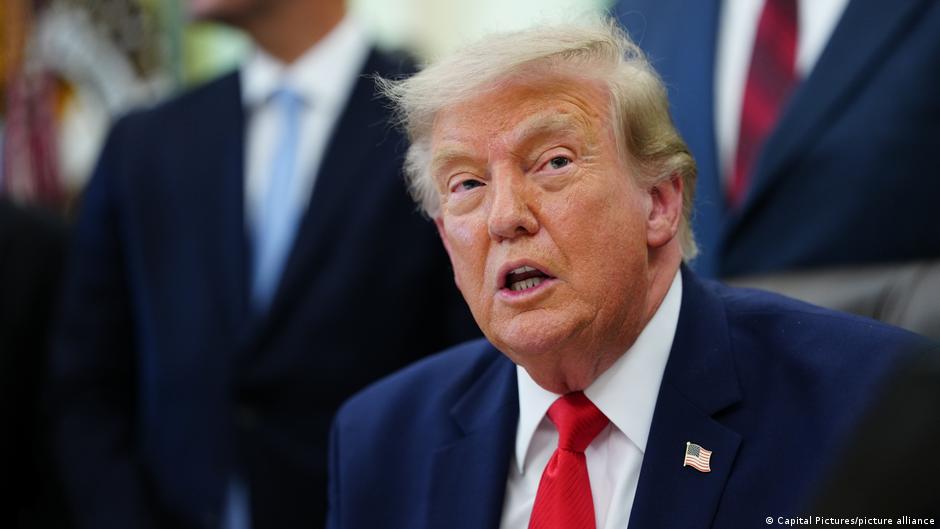
US President Trump announced a historic Hamas disarmament deal, signaling potential easing of Middle East tensions and impacting regional equities and bonds.
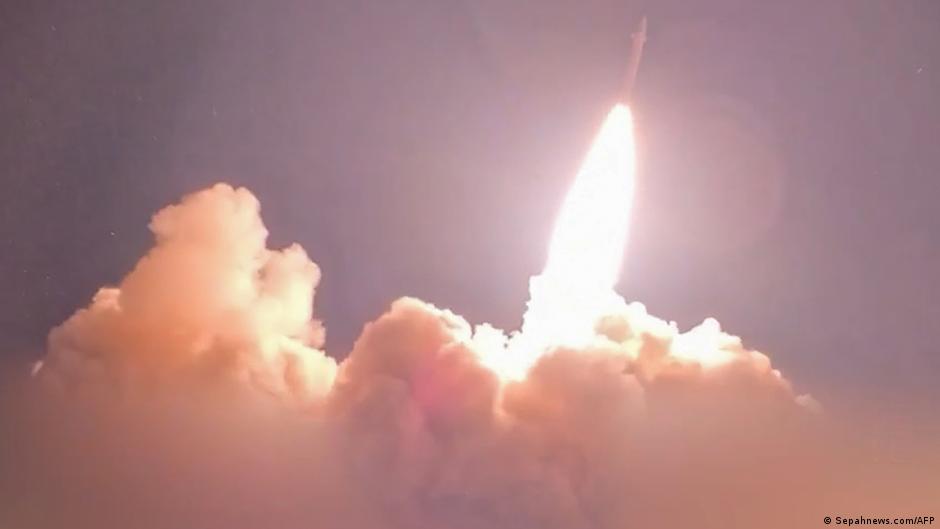
US forces intercepted ballistic missiles from Iran, heightening geopolitical risks that influence energy markets, equities, and bonds amid regional tension.
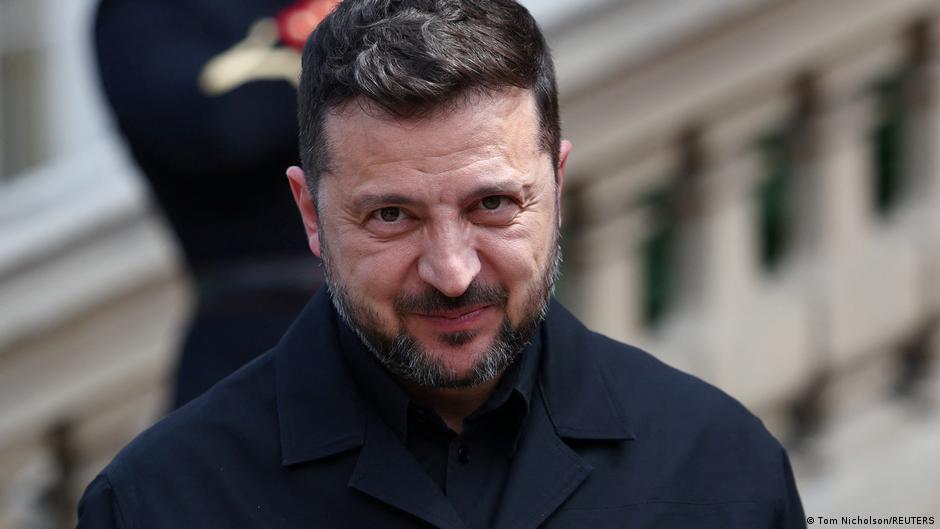
Ukrainian President Zelensky meets all 100 US Senators in Washington as the Senate votes on new sanctions against Russia, impacting global equities and bond markets amid geopolitical tensions.
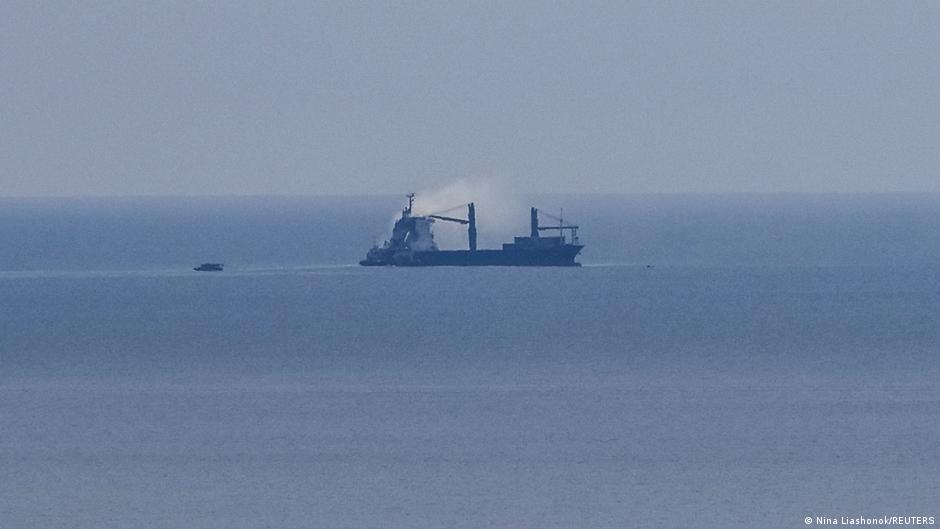
Russia’s attacks on Black Sea commercial vessels have heightened geopolitical risks, disrupting trade routes vital for global food security and prompting an emergency UN Security Council meeting.

Iran’s IRGC mined an oil tanker in the Strait of Hormuz, raising regional tensions and impacting energy markets and shipping risks for investors.
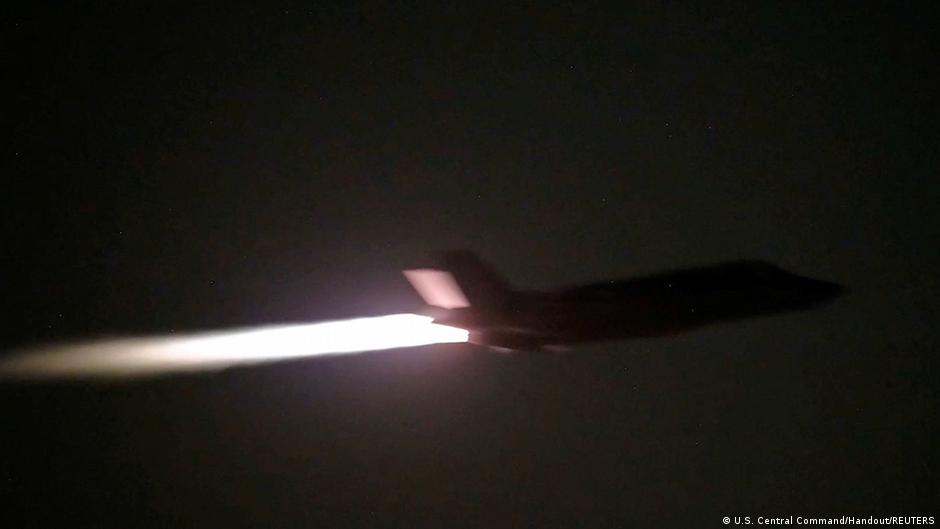
US forces conducted airstrikes on Iran for the 11th night amid escalating regional conflict, affecting energy supply routes and increasing market uncertainty for investors.
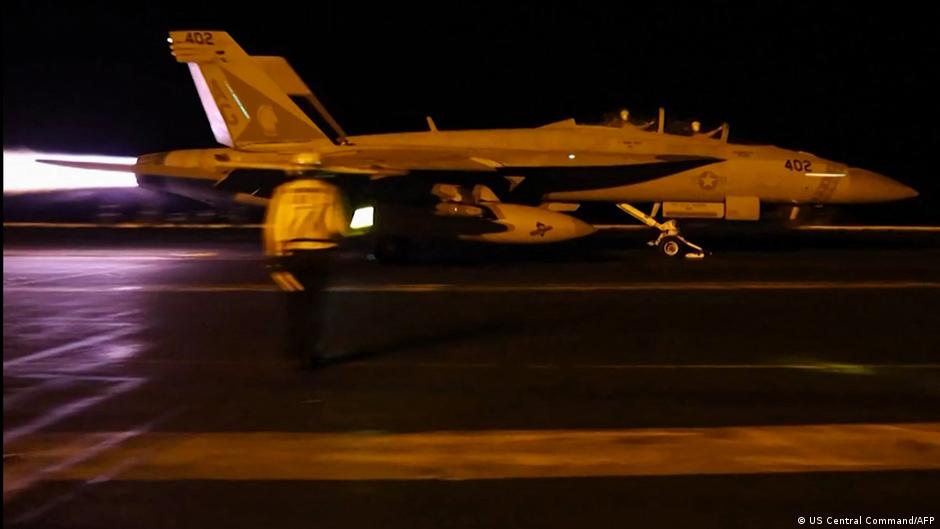
US military strikes against Iran enter tenth day, heightening risks for energy markets and global investors amid escalating Middle East tensions.
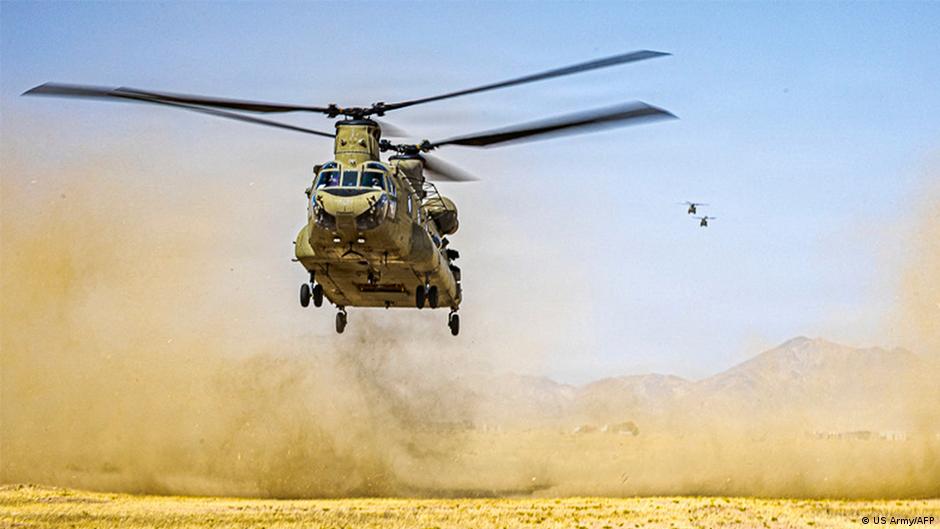
US military deaths in the Iran conflict have increased to 17, prompting heightened market volatility and impacting energy, defense equities, and bond markets amid rising geopolitical risks.
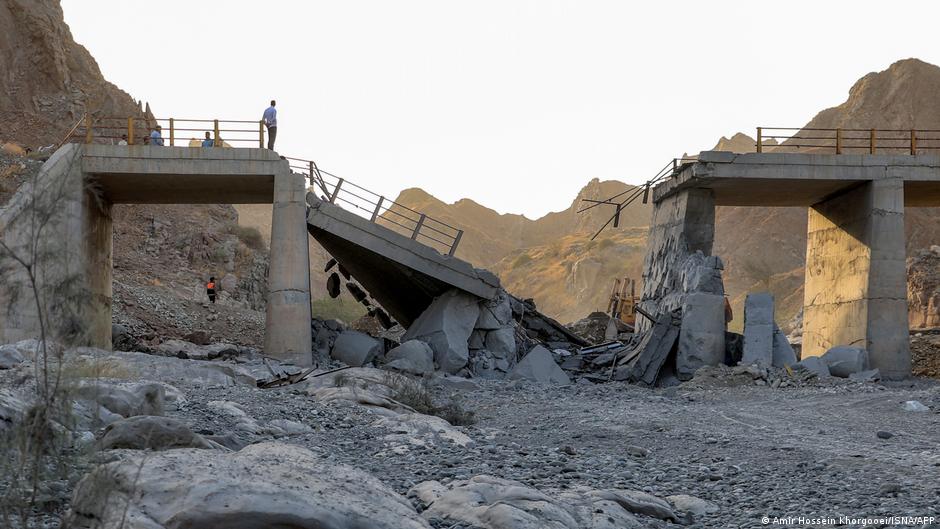
US and Iran military clashes near the Strait of Hormuz are disrupting oil shipping and increasing market uncertainty, affecting energy prices and investor risk sentiment worldwide.
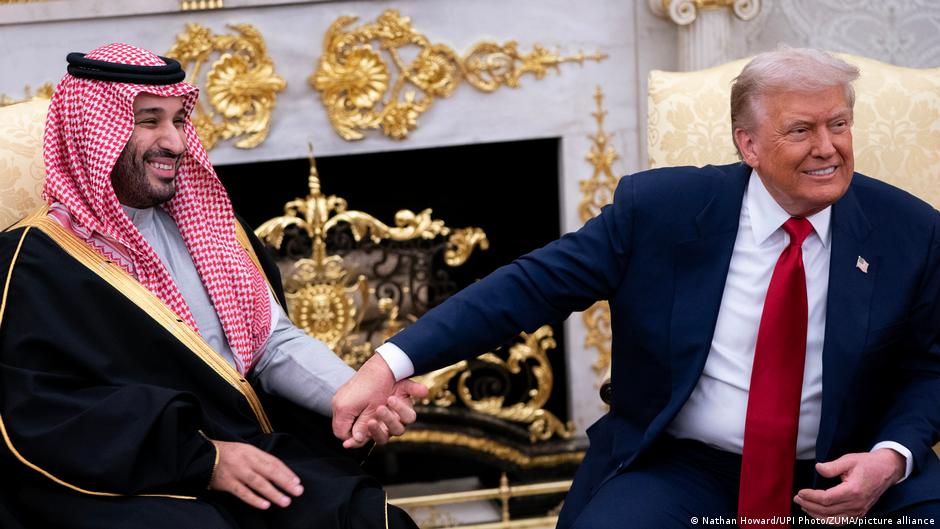
US plans to permit Saudi uranium enrichment without strict safeguards raise geopolitical risks, impacting equities and bonds in Middle Eastern markets.
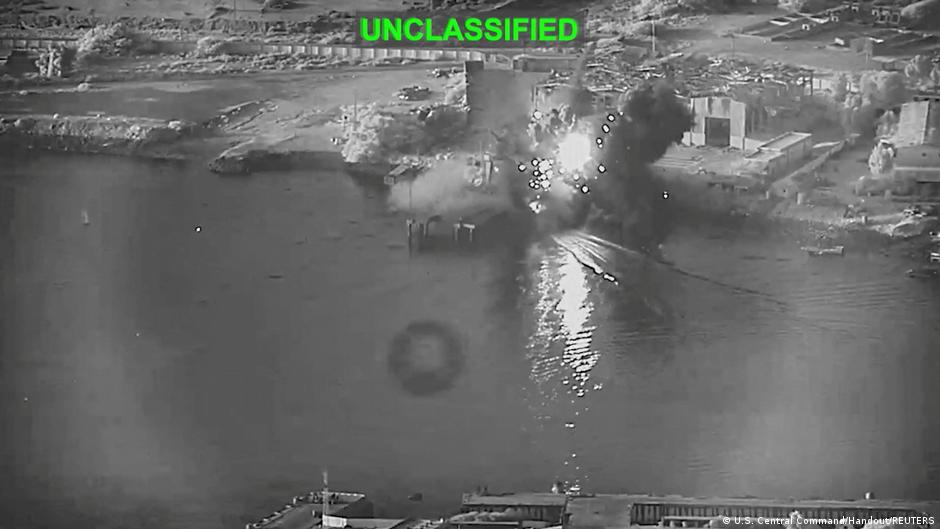
US strikes on Iranian infrastructure escalate geopolitical risks, causing volatility in regional equities and bonds, with implications for global investors.
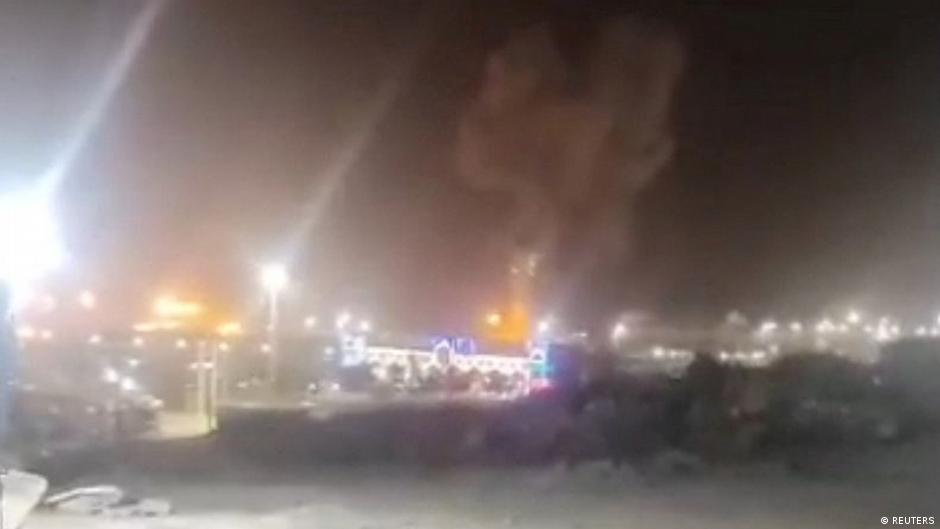
US airstrikes on Iranian targets and Tehran’s retaliatory attacks escalate Middle East tensions, driving volatility in oil markets, equities, and bonds.

The US is advancing plans to revive an Iraq-Syria oil pipeline to bypass the Strait of Hormuz, aiming to reduce Iran’s influence and alter energy market dynamics.
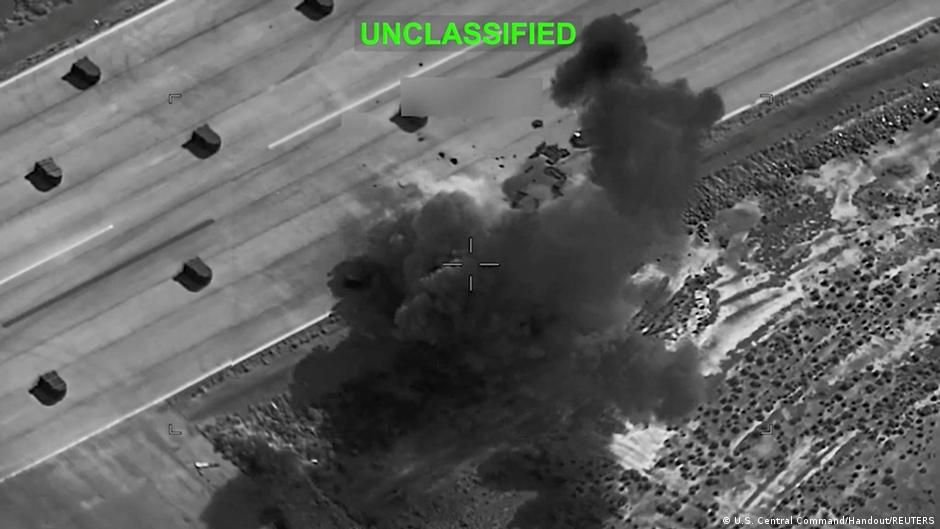
US military strikes against Iran following attacks on commercial vessels have led to the closure of the Strait of Hormuz, impacting global oil supply and increasing market volatility.

Iran’s mourning of Ayatollah Khamenei amid leadership uncertainty and renewed regional conflict raises geopolitical risks, impacting markets and investor confidence.
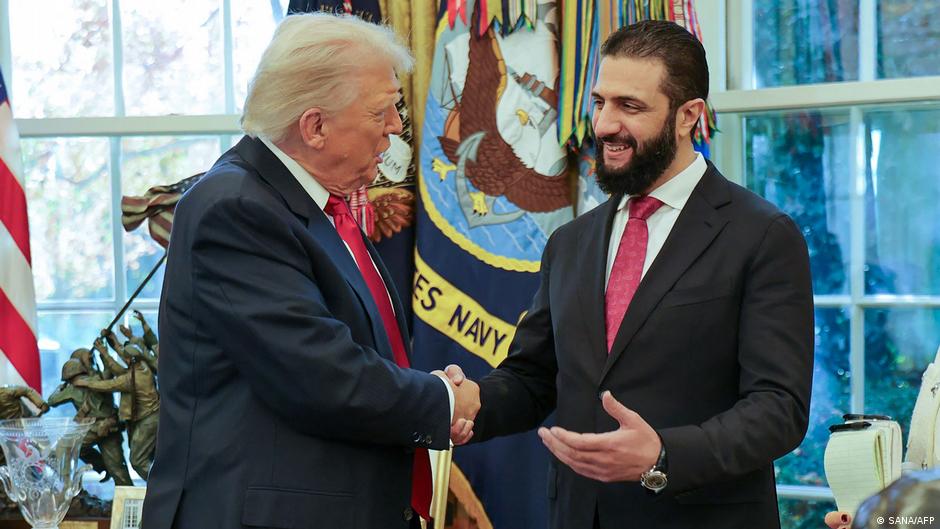
Trump's pledge to delist Syria as a terror sponsor may unlock new investment opportunities, impacting equities, bonds, and investor risk assessments in Middle Eastern markets.

US military strikes on Iran after attacks on tankers escalate Middle East tensions, triggering volatility in energy markets and impacting investor risk sentiment globally.

German and U.S. foreign ministers meet amid global economic challenges, reinforcing transatlantic ties and signaling potential shifts in NATO funding and geopolitical risk management.
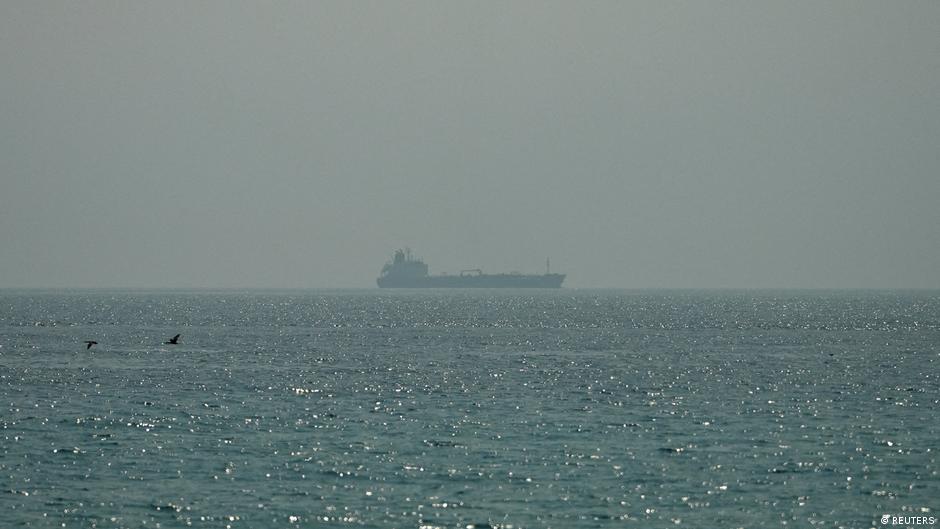
The US and Iran agree on a temporary ceasefire until June 30 talks on Strait of Hormuz navigation, easing oil price volatility and reducing geopolitical risks for investors.
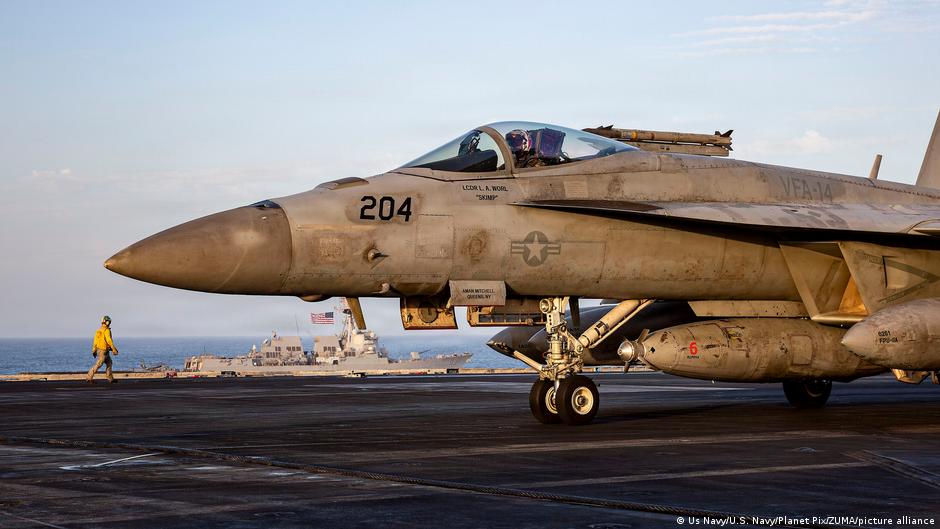
US military strikes on Iranian sites after drone attacks on oil tankers near Strait of Hormuz raise geopolitical risks, impacting energy markets and investor sentiment.
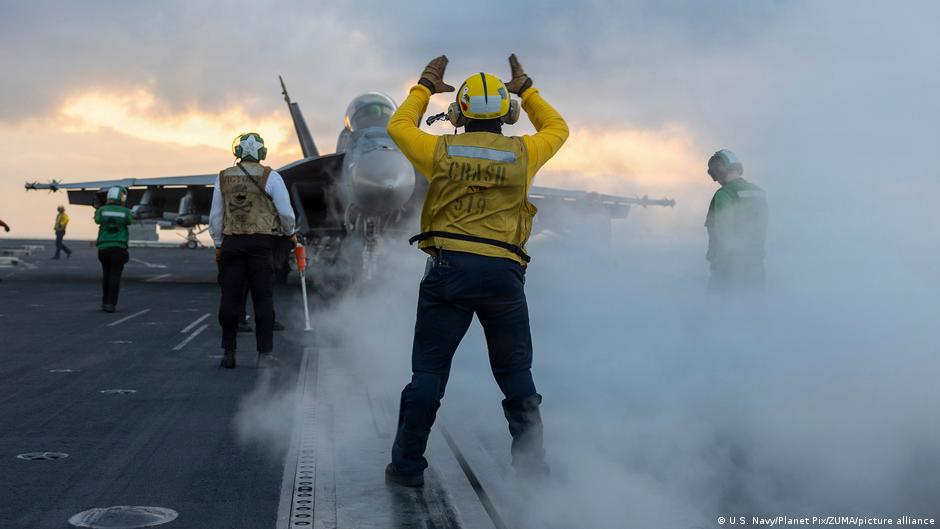
US and Iran exchanged military strikes after an Iranian drone attacked a merchant vessel in the Strait of Hormuz, causing oil prices to rise and increasing market volatility.
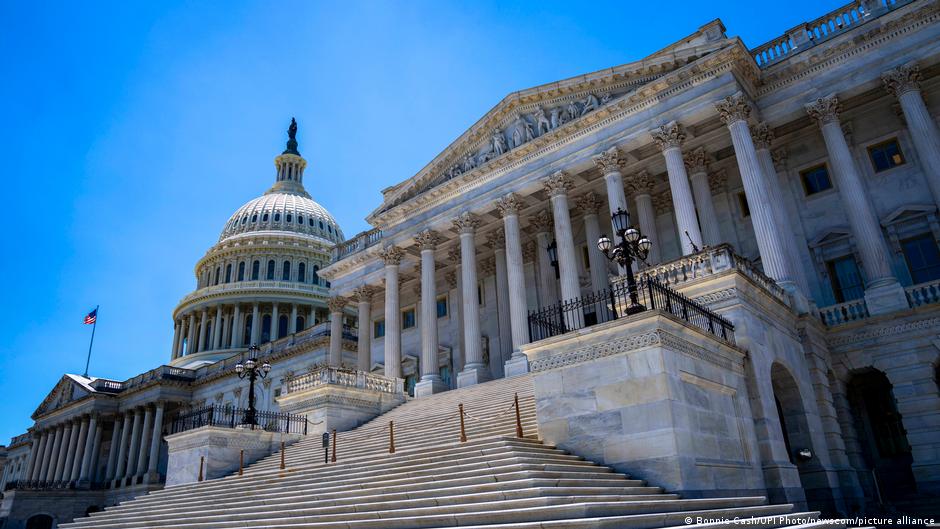
The US Senate's vote to end military actions against Iran raises geopolitical uncertainties impacting equities, bonds, and investor risk appetite.
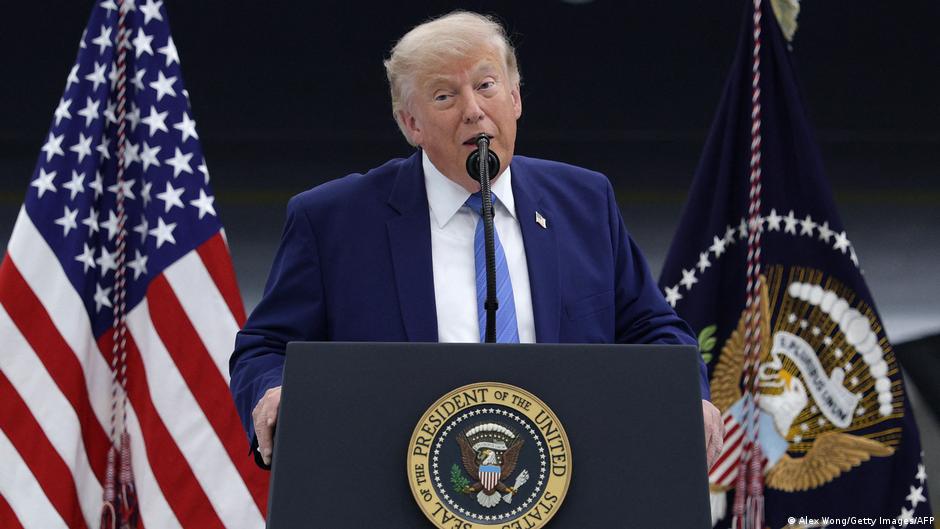
President Trump threatens a transit fee for ships passing the Strait of Hormuz if the US-Iran deal fails, raising oil market and investor uncertainty amid regional tensions.
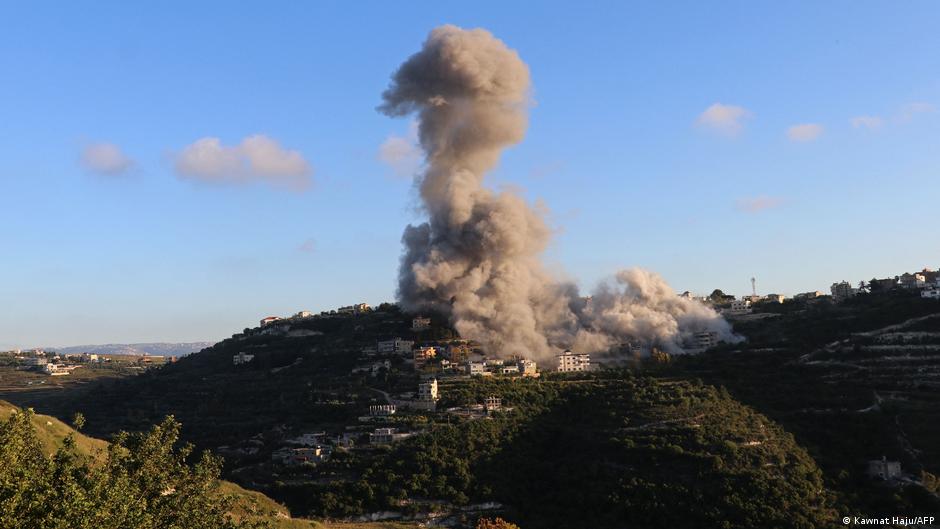
US intelligence warns Israel may disrupt US-Iran deal, raising geopolitical risks that heighten market volatility and affect investor strategies in equities and bonds.
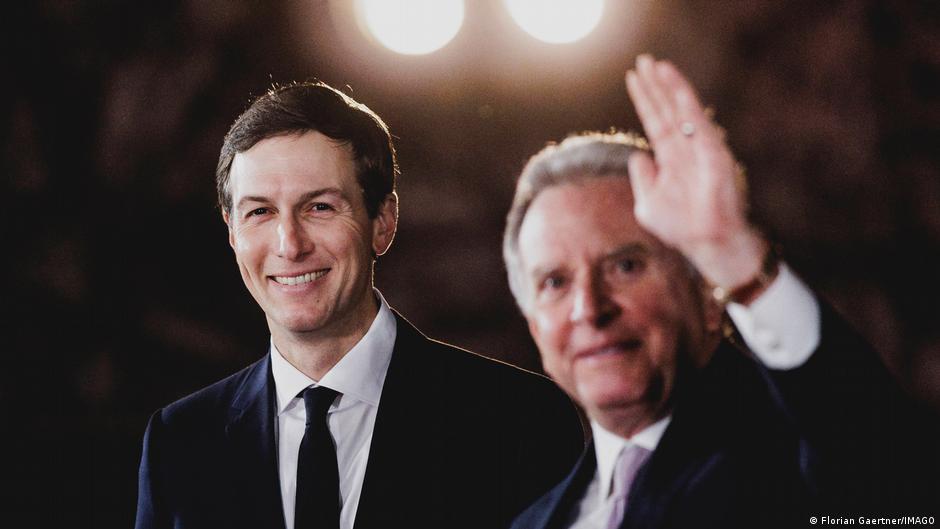
US envoy Whitcraft’s arrival in Switzerland for nuclear talks with Iran introduces fresh geopolitical risks that could impact equities, bonds, and investor sentiment.

The US has lifted its blockade of the Strait of Hormuz, reopening vital oil transit routes and initiating negotiations with Iran, impacting global energy markets and investor confidence.

European leaders welcome the US-Iran peace deal, emphasizing regional stability, nuclear non-proliferation, and potential easing of market risks, particularly in energy sectors.
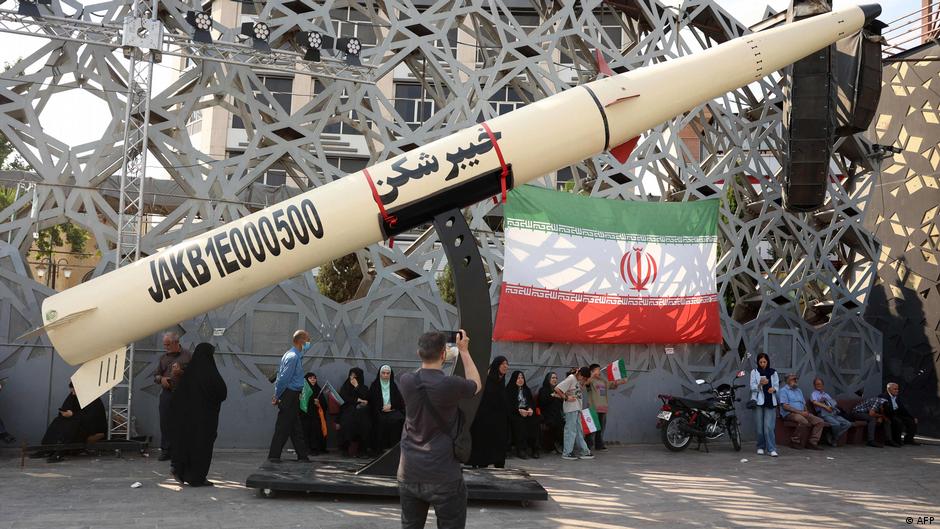
Iran has replenished about 75% of its missile arsenal, likely aided by new Russian missile deliveries, fueling geopolitical risks that affect defense equities and energy markets.

Reports of the UAE unfreezing billions in Iranian assets to halt attacks have sparked market speculation, though official denials fuel investor uncertainty amid diplomatic talks.
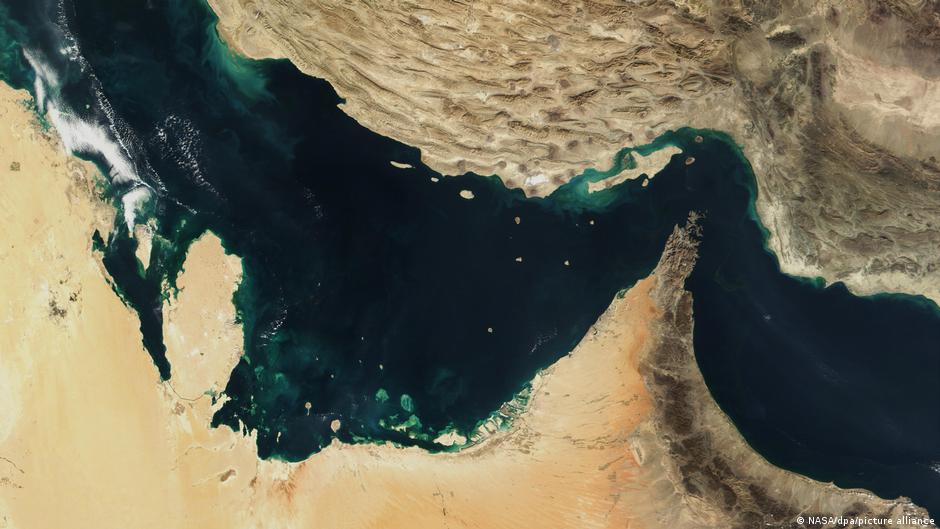
Renewed US-Iran hostilities and Iran’s closure of the Strait of Hormuz have triggered market volatility and raised concerns over oil supply disruptions.
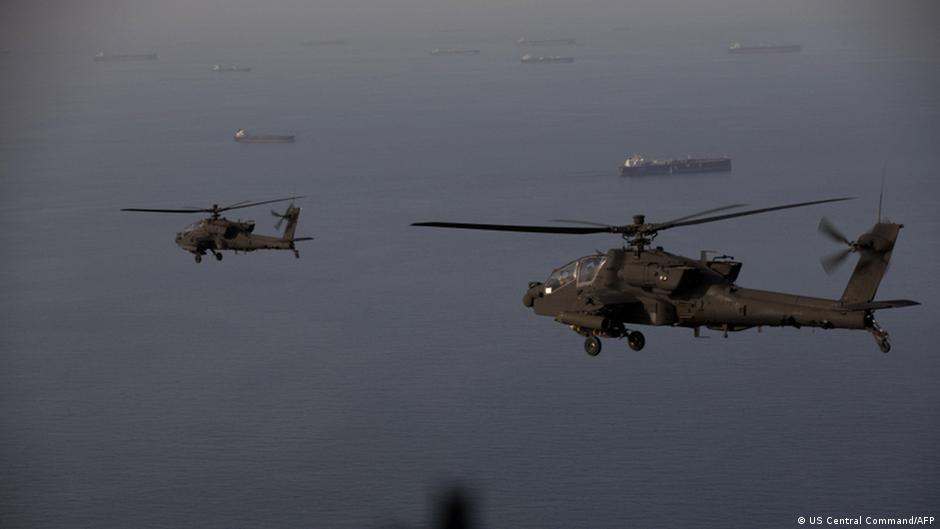
US military strikes on Iranian targets following the downing of an Apache helicopter have intensified regional tensions, impacting energy prices and investor sentiment.
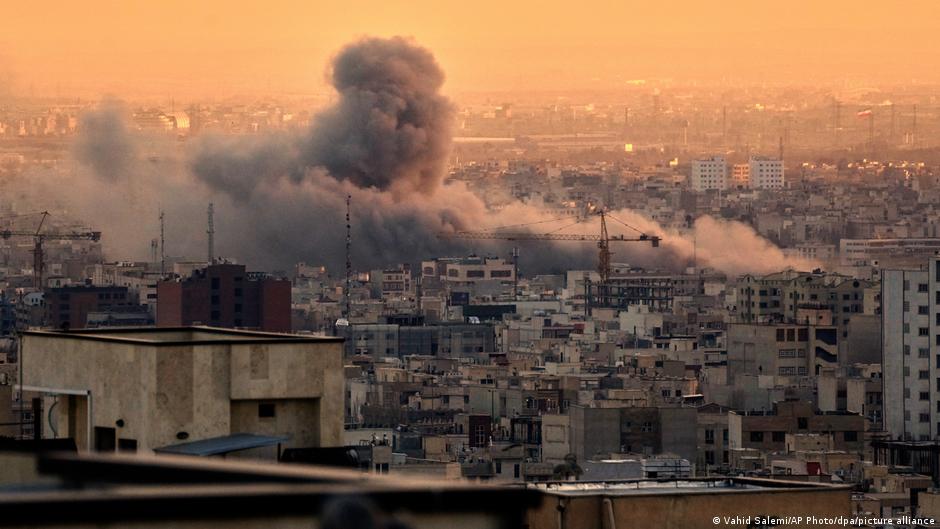
Israeli and Iranian military exchanges intensify amid US-led peace talks, causing volatility across equities and bonds as investors assess geopolitical risks.

US forces down Iranian drones threatening the Strait of Hormuz, escalating regional risks that impact global energy markets and investor sentiment.
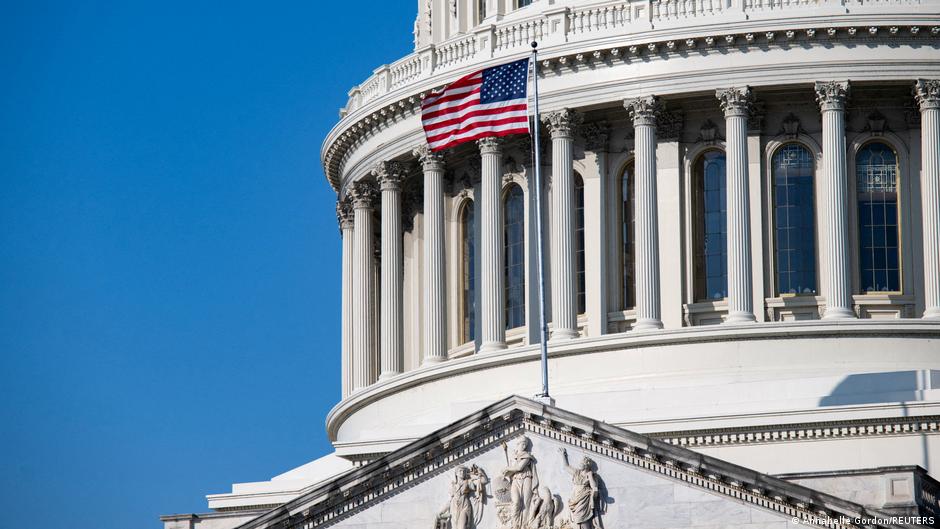
The US House passes a resolution restricting President Trump's military actions against Iran without Congress approval, reflecting political shifts that could impact markets sensitive to Middle East tensions.