US-Iran Conflict Enters Tenth Day: Implications for Global Capital Markets
US military strikes against Iran enter tenth day, heightening risks for energy markets and global investors amid escalating Middle East tensions.

US military strikes against Iran enter tenth day, heightening risks for energy markets and global investors amid escalating Middle East tensions.

US military deaths in the Iran conflict have increased to 17, prompting heightened market volatility and impacting energy, defense equities, and bond markets amid rising geopolitical risks.

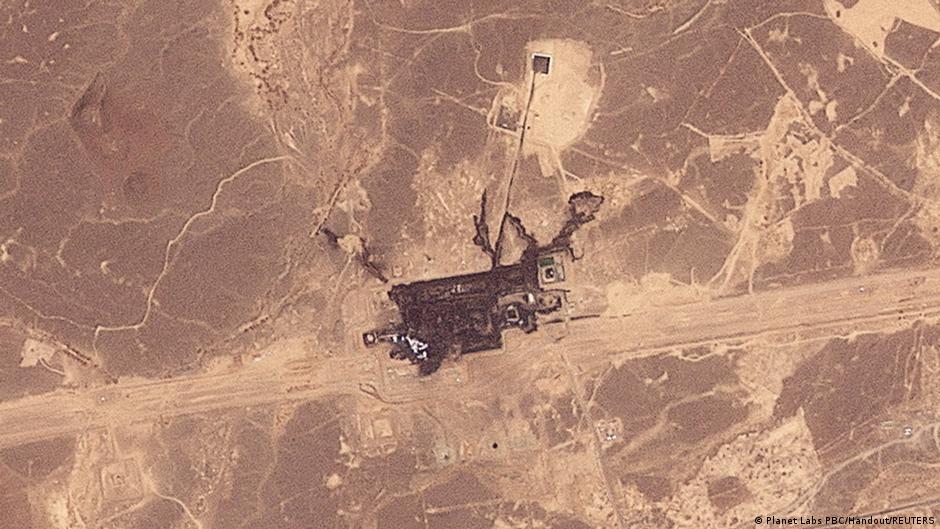
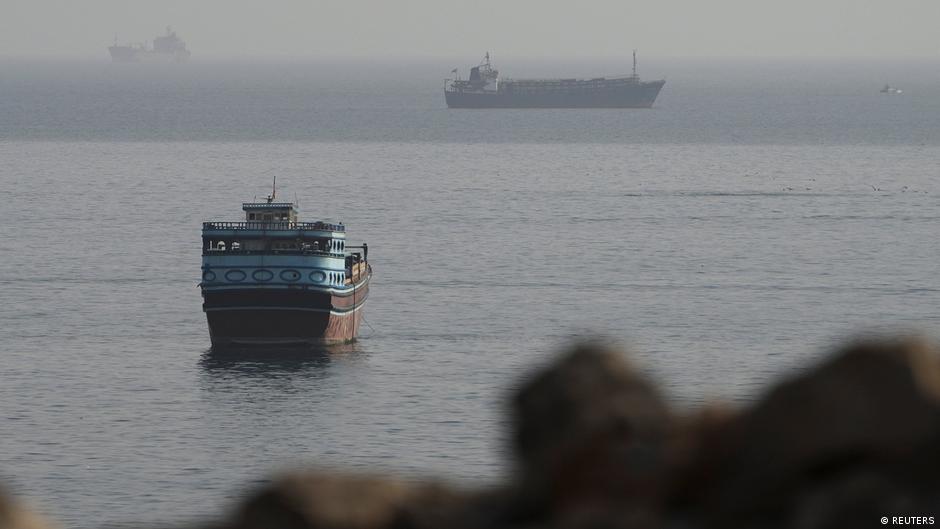
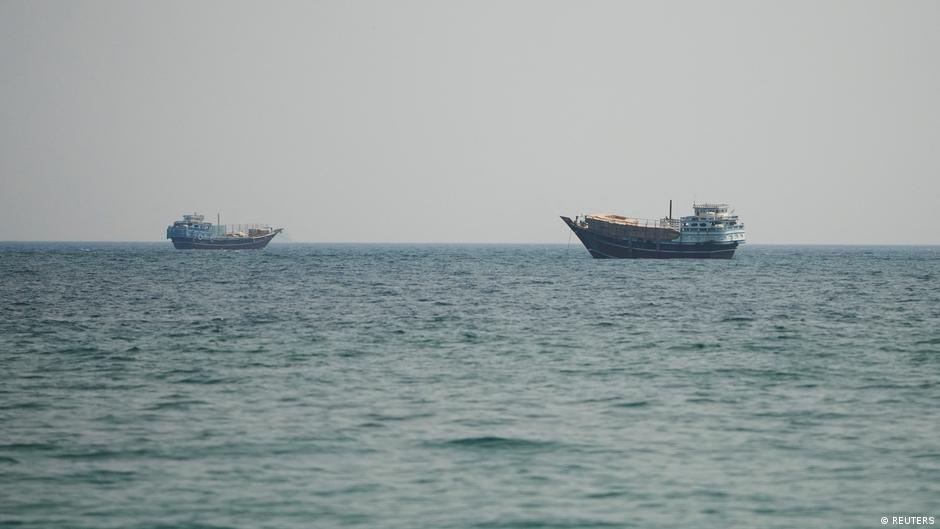
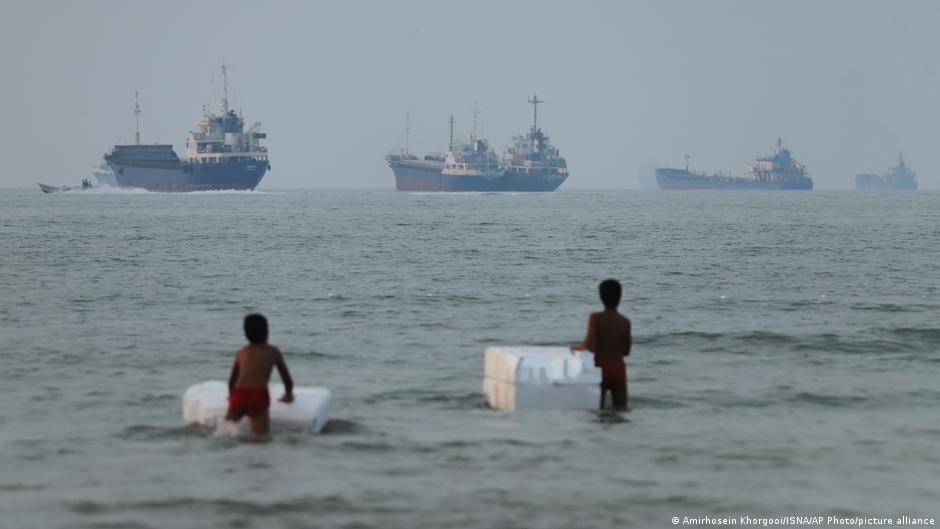
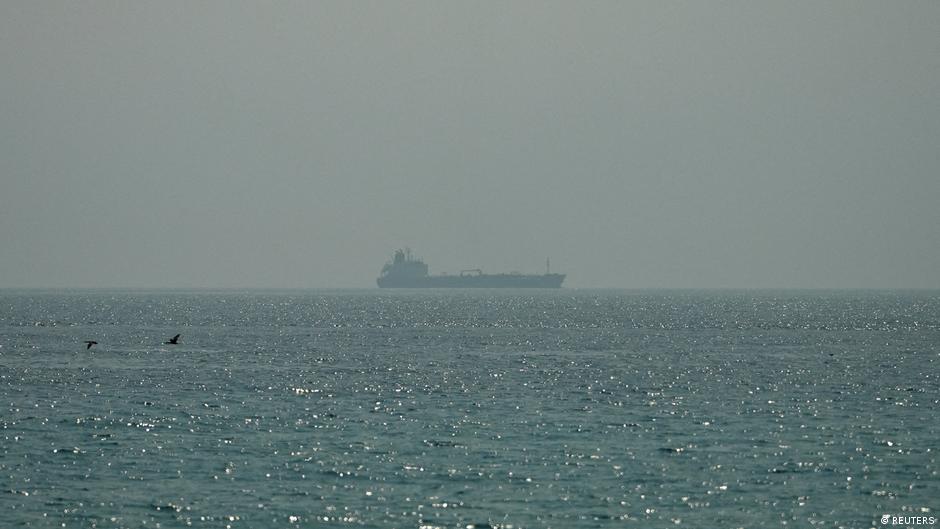
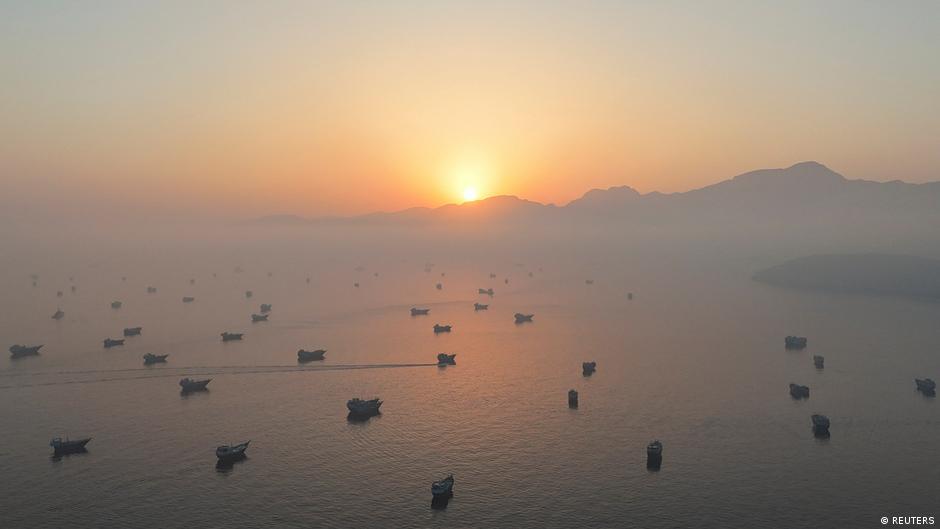
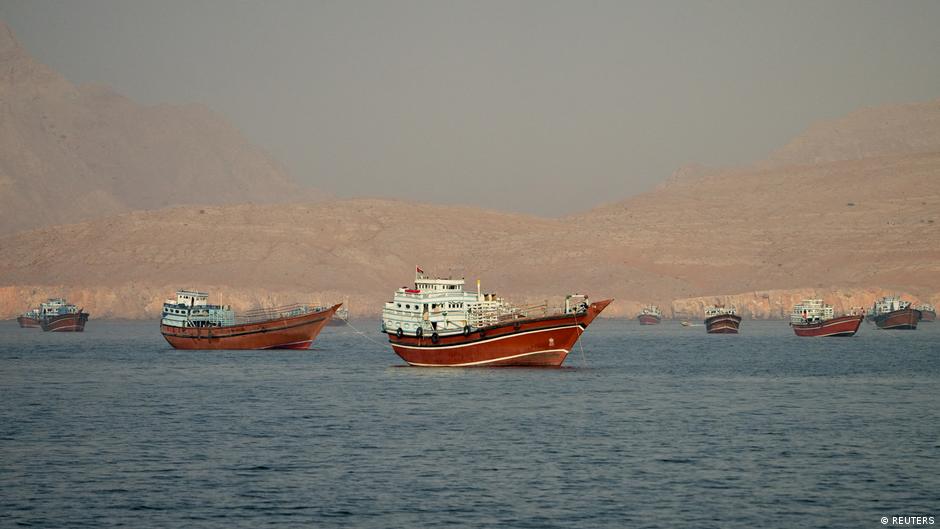
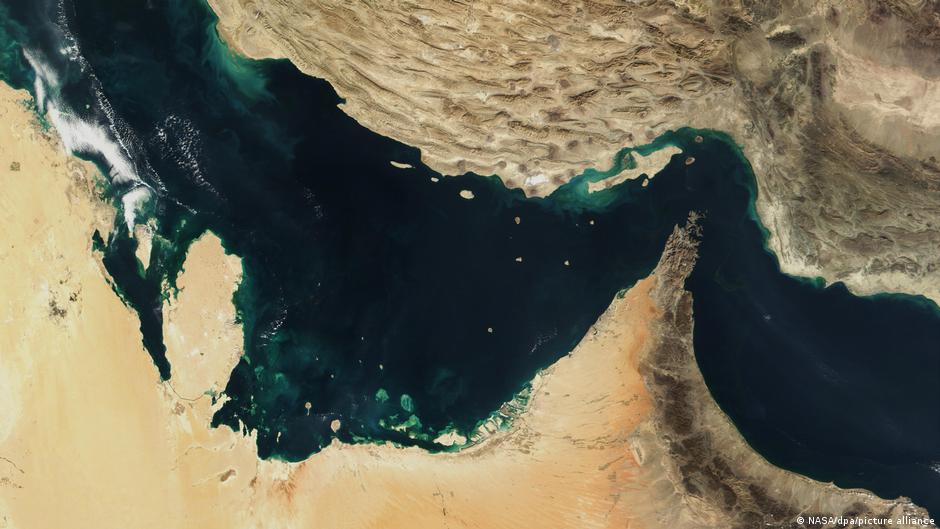
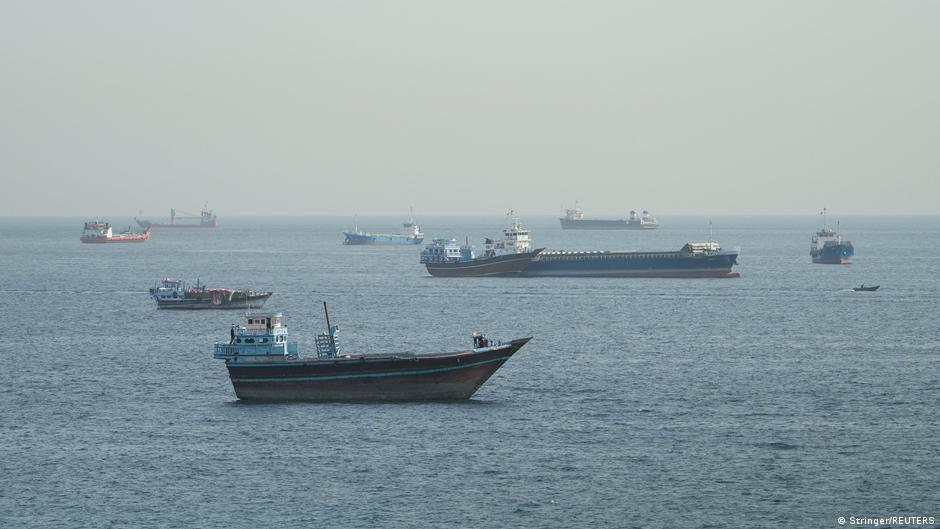
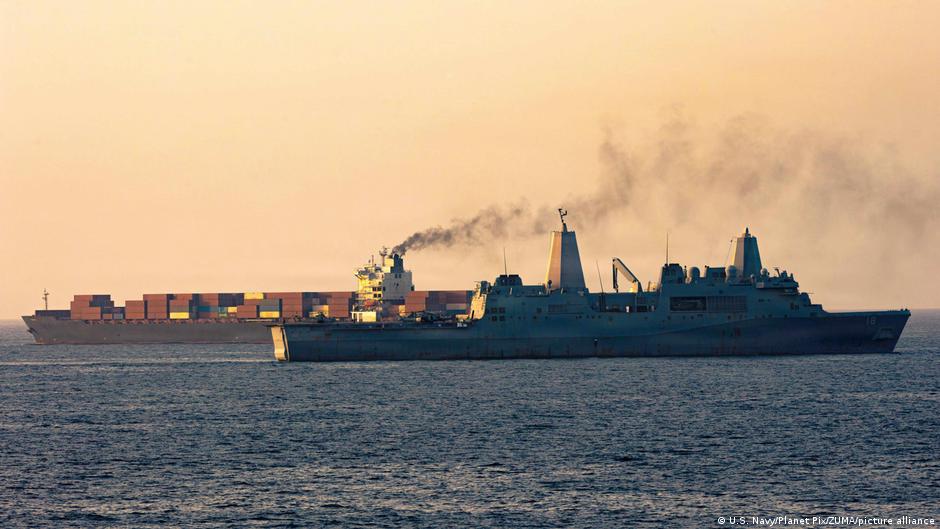
US and Iran military clashes near the Strait of Hormuz are disrupting oil shipping and increasing market uncertainty, affecting energy prices and investor risk sentiment worldwide.

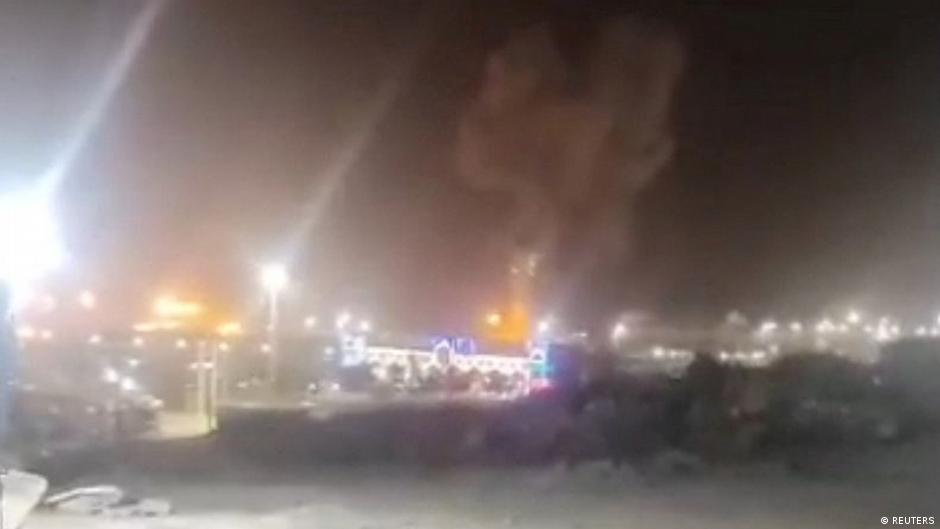
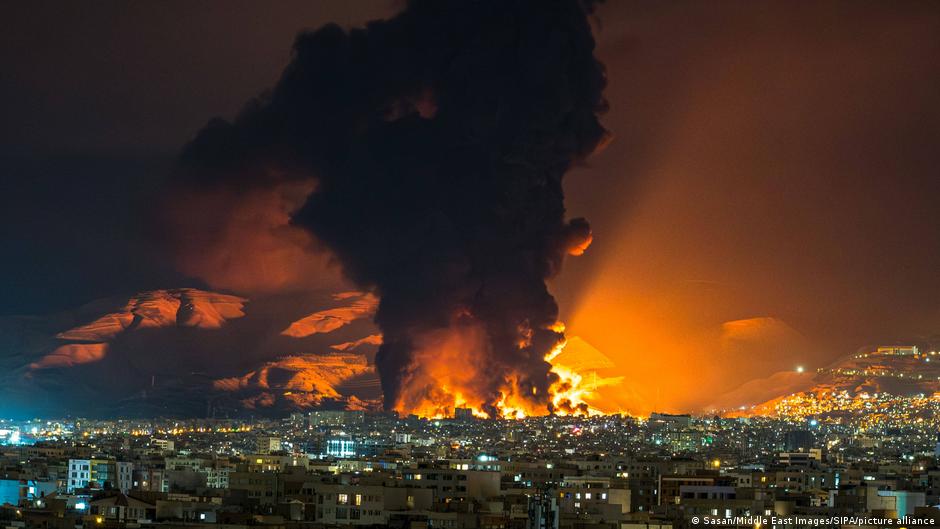
US strikes on Iranian infrastructure escalate geopolitical risks, causing volatility in regional equities and bonds, with implications for global investors.

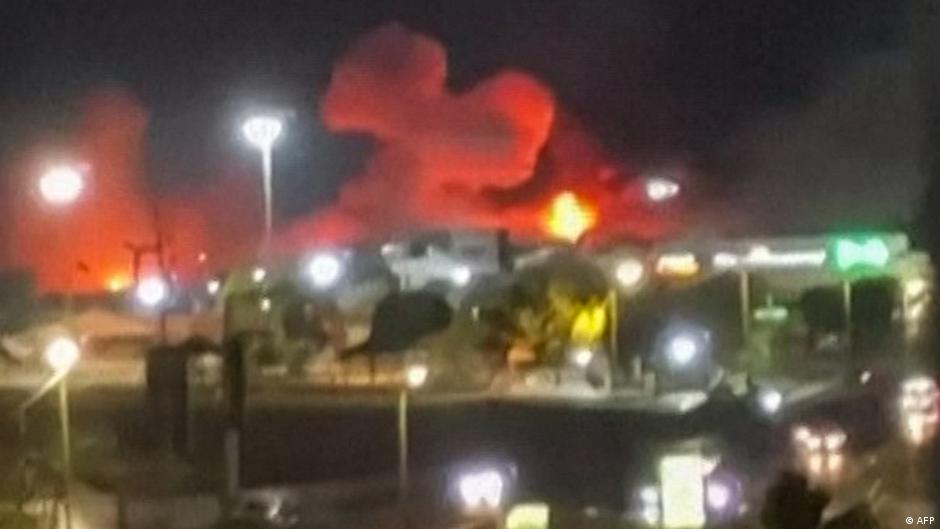
US airstrikes on Iranian targets and Tehran’s retaliatory attacks escalate Middle East tensions, driving volatility in oil markets, equities, and bonds.

The US is advancing plans to revive an Iraq-Syria oil pipeline to bypass the Strait of Hormuz, aiming to reduce Iran’s influence and alter energy market dynamics.

US strikes on Iran near the Strait of Hormuz escalate tensions, impacting oil shipping routes and increasing risks for energy markets and investors globally.

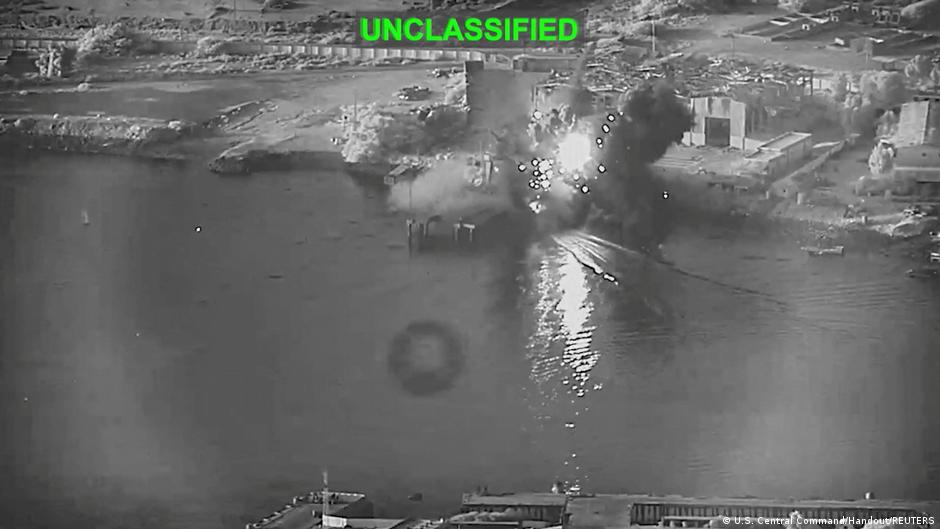
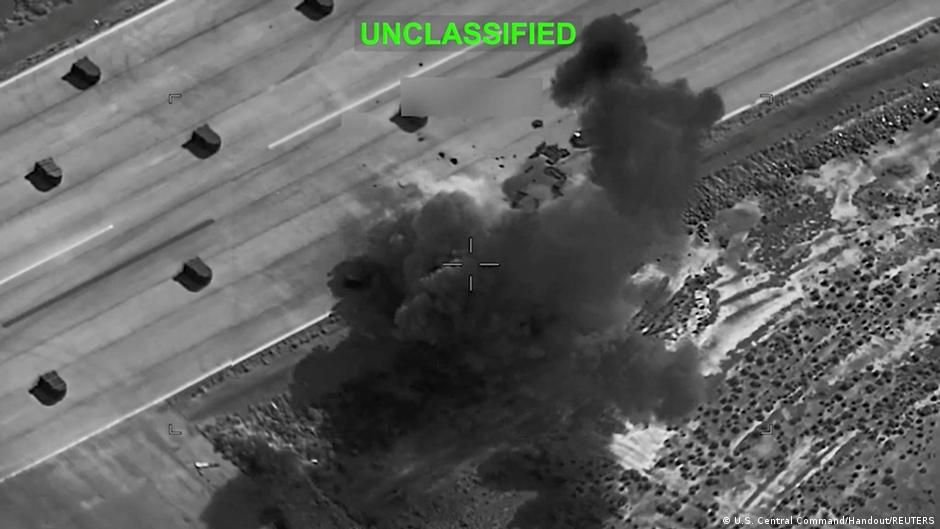
US military strikes against Iran following attacks on commercial vessels have led to the closure of the Strait of Hormuz, impacting global oil supply and increasing market volatility.

Iran’s mourning of Ayatollah Khamenei amid leadership uncertainty and renewed regional conflict raises geopolitical risks, impacting markets and investor confidence.

US military strikes on Iran escalate tensions, impacting oil supply routes and causing volatility in energy markets and investor sentiment.

US military strikes on Iran after attacks on tankers escalate Middle East tensions, triggering volatility in energy markets and impacting investor risk sentiment globally.

The US and Iran agree on a temporary ceasefire until June 30 talks on Strait of Hormuz navigation, easing oil price volatility and reducing geopolitical risks for investors.

US military strikes on Iranian sites after drone attacks on oil tankers near Strait of Hormuz raise geopolitical risks, impacting energy markets and investor sentiment.

US and Iran exchanged military strikes after an Iranian drone attacked a merchant vessel in the Strait of Hormuz, causing oil prices to rise and increasing market volatility.

The US Senate's vote to end military actions against Iran raises geopolitical uncertainties impacting equities, bonds, and investor risk appetite.

Russia’s maritime oil exports hit a 2026 peak despite falling prices amid US-Iran diplomacy, posing complex challenges for energy investors and capital markets.

US and Iran agree on a communication channel for the Strait of Hormuz, easing geopolitical risks and potentially stabilizing energy markets and investor sentiment.

President Trump threatens a transit fee for ships passing the Strait of Hormuz if the US-Iran deal fails, raising oil market and investor uncertainty amid regional tensions.

The US has lifted its blockade of the Strait of Hormuz, reopening vital oil transit routes and initiating negotiations with Iran, impacting global energy markets and investor confidence.

Pakistan announces immediate reopening of the Strait of Hormuz following a US-Iran peace memorandum, potentially easing geopolitical risks impacting energy markets and investors.

G7 leaders commit to new sanctions on Russian oil and gas sectors and increase military aid to Ukraine, impacting energy and defense markets worldwide.

European leaders welcome the US-Iran peace deal, emphasizing regional stability, nuclear non-proliferation, and potential easing of market risks, particularly in energy sectors.

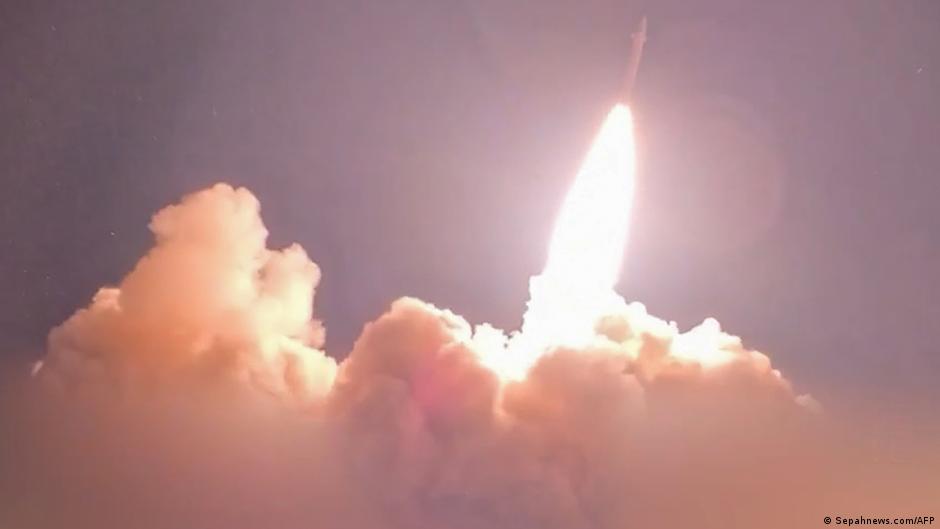
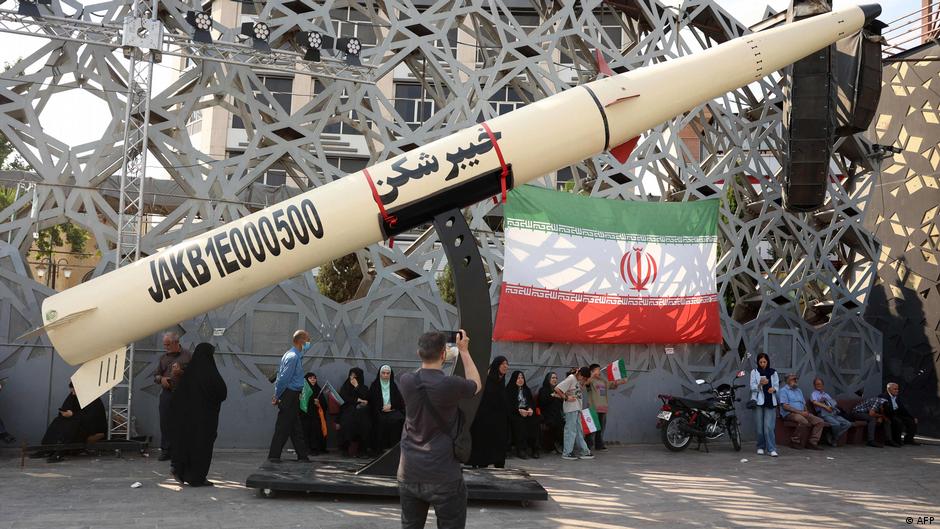
Iran has replenished about 75% of its missile arsenal, likely aided by new Russian missile deliveries, fueling geopolitical risks that affect defense equities and energy markets.

US President Trump cancels planned strikes on Iran amid diplomatic progress, easing geopolitical risks and stabilizing oil and equity markets.

Renewed US-Iran hostilities and Iran’s closure of the Strait of Hormuz have triggered market volatility and raised concerns over oil supply disruptions.

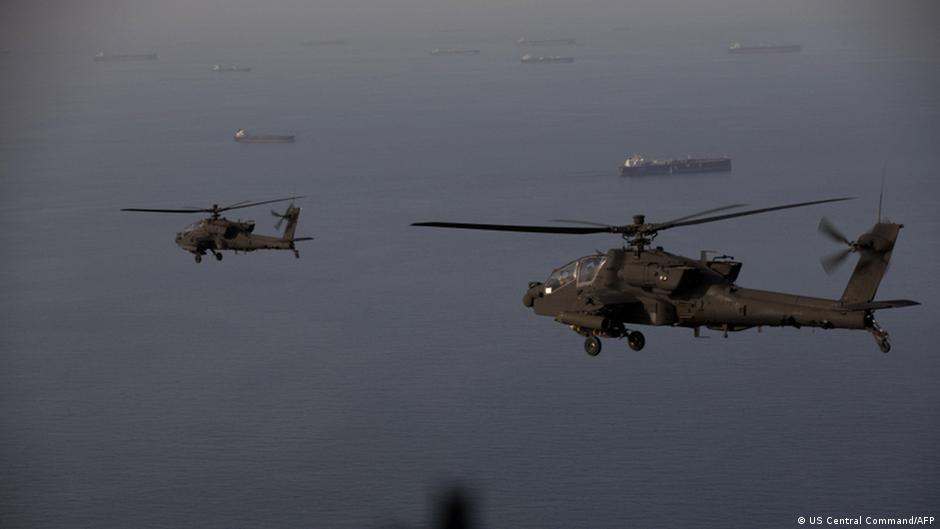
US military strikes on Iranian targets following the downing of an Apache helicopter have intensified regional tensions, impacting energy prices and investor sentiment.

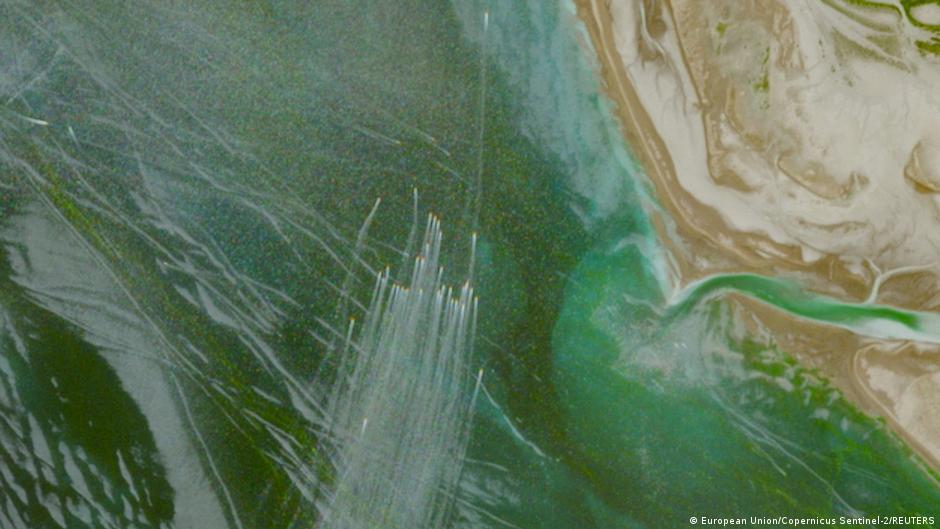
US forces down Iranian drones threatening the Strait of Hormuz, escalating regional risks that impact global energy markets and investor sentiment.

The US House passes a resolution restricting President Trump's military actions against Iran without Congress approval, reflecting political shifts that could impact markets sensitive to Middle East tensions.

The US has quietly aided around 70 commercial ships through the Iran-blocked Strait of Hormuz, signaling ongoing regional tensions that affect energy and shipping markets.

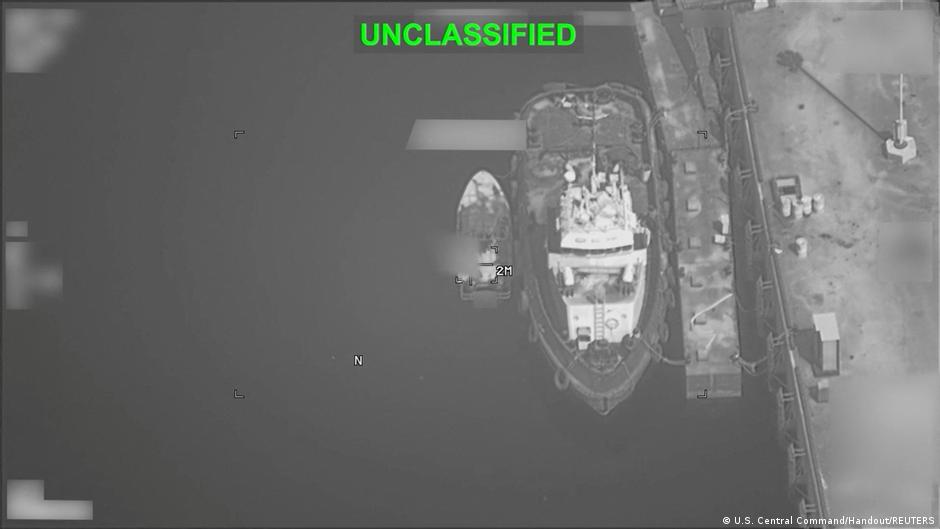
US forces disabled a Gambian-flagged vessel headed to Iran amid Strait of Hormuz blockade, raising regional tensions and impacting energy markets and investor sentiment.

US President Trump delays planned Iran strike after Gulf leaders intervene, triggering cautious market reactions amid ongoing high-stakes negotiations.

China's renewed interest in U.S. oil and soybeans after talks with Trump may shift commodity markets and impact investor strategies amid evolving trade and geopolitical dynamics.

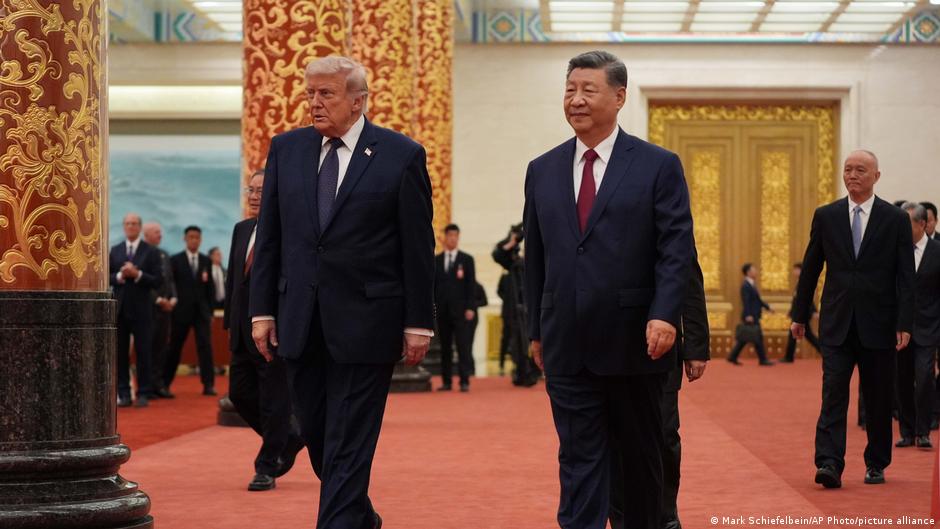
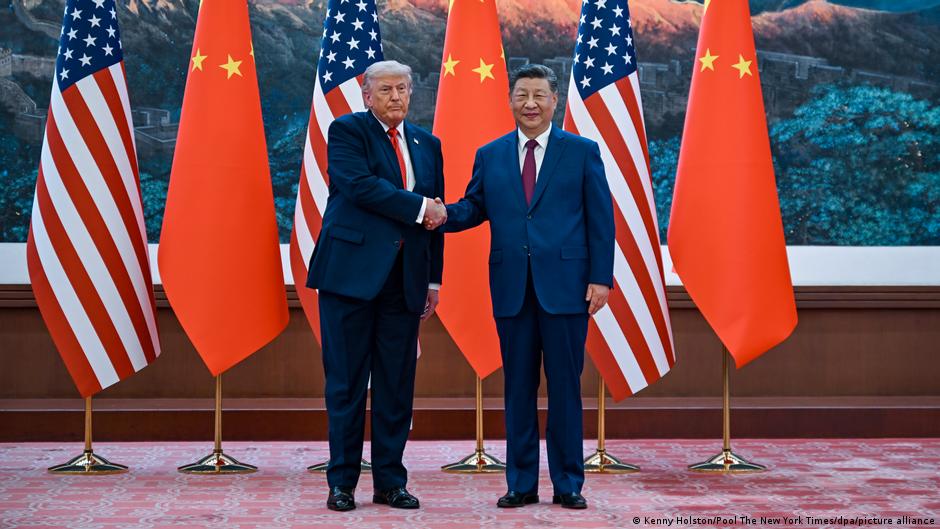
Trump and Xi Jinping meet in Beijing to discuss Iran, trade, and Taiwan, with investors closely watching for impacts on global markets and trade relations.

US intelligence reports reveal Iran retains 70% of its missile arsenal, contradicting official claims and raising concerns over defense supply chains and geopolitical risks.

Iran's new shipping declaration for the Strait of Hormuz could disrupt oil transit and impact energy markets amid rising geopolitical tensions.

US-Iran talks nearing resolution boost investor confidence, positively impacting equities and bonds amid hopes for eased geopolitical tensions.

Global oil inventories dropped by a record 200 million barrels in April amid Middle East tensions, raising risks of higher prices and market volatility for investors.

Iran's missile and drone attacks on the UAE have escalated regional tensions, triggering volatility in energy markets and raising investor concerns over Gulf geopolitical risks.

Iran has submitted a 14-point peace plan to the US demanding troop withdrawals and sanctions relief amid ongoing Middle East conflict, sparking cautious market reactions.

Oil prices surged over 7% after U.S. President Trump's threats against Iran, intensifying geopolitical risks and impacting capital markets.

King Charles III's US visit amid UK-US geopolitical tensions prompts cautious investor outlook as capital markets weigh impacts on equities and bonds.

US President Trump halts US envoy travel to Pakistan for Iran talks, citing US strength and travel inefficiencies, impacting market stability and energy prices.

The US will not extend temporary sanctions exemptions for Russian and Iranian oil, signaling tighter restrictions that could impact energy markets and investor sentiment.

US forces seized an Iranian cargo ship in the Gulf of Oman, prompting Tehran to accuse Washington of ceasefire violations, heightening geopolitical risks impacting energy markets and investor sentiment.

Rising jet fuel prices amid Middle East conflict force airlines to cut global flight capacity by 3% in May, pressuring aviation equities and bond markets.

President Trump rejects NATO's offer to secure the Strait of Hormuz, calling the alliance ineffective, while Europe plans a multinational mission, raising energy market uncertainties.

Russia's Deputy Foreign Minister says the UN proposal to monitor the Strait of Hormuz lacks support from key parties and its future is uncertain.